
Lithium Battery Toy Design and Shipping: A Practical OEM Guide
How to connect cell selection, protection, charging, battery access, production records and transport documentation before shipment.
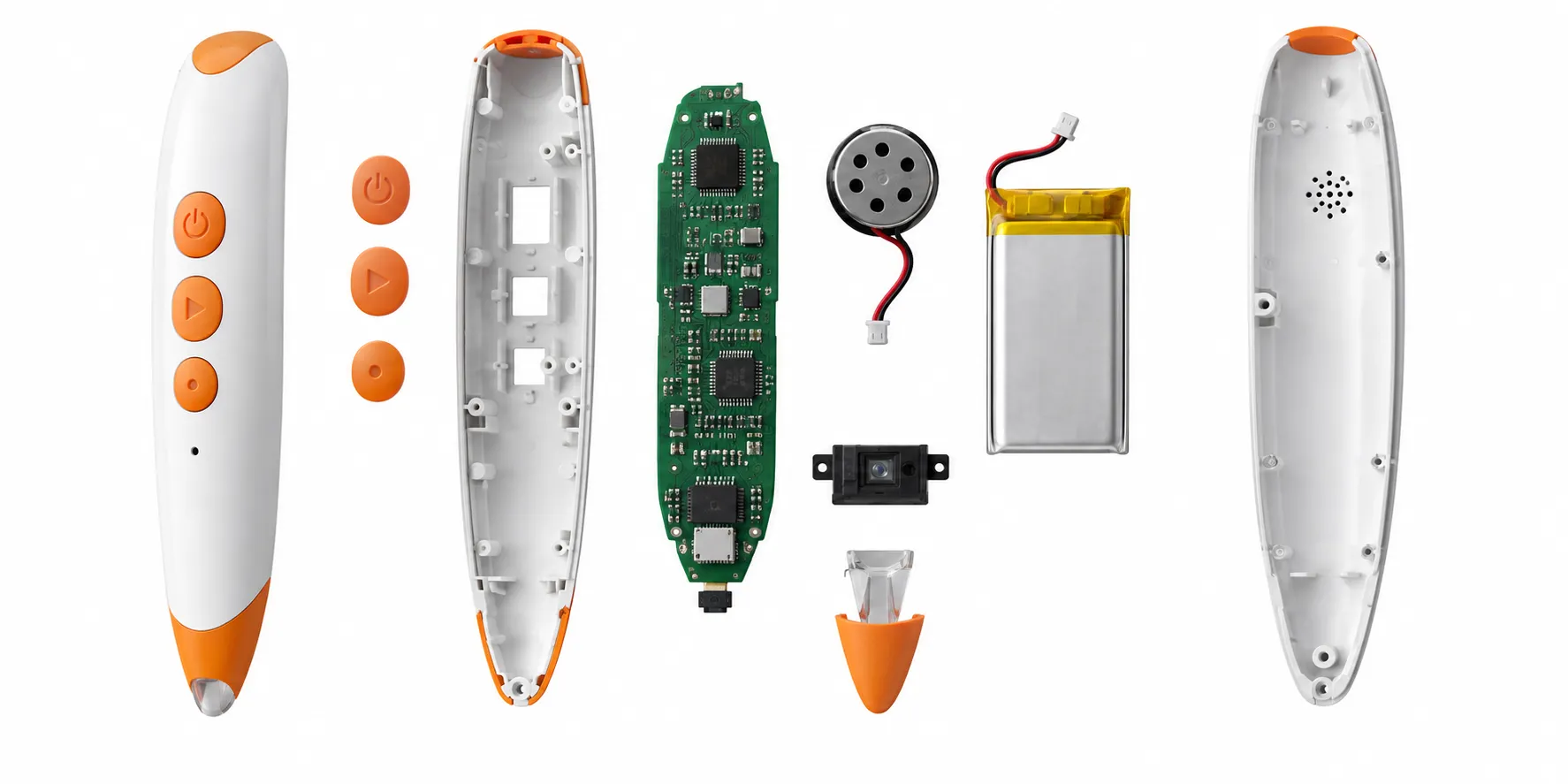
A rechargeable battery can improve convenience and reduce disposable-cell use, but it adds engineering and logistics responsibilities. The cell, protection circuit, charging IC, connector, firmware, enclosure, cable, thermal behavior and user instructions must operate as one system. A battery selected only by capacity or price can create avoidable safety, quality and shipping problems.
Transport planning begins during design. Lithium cells and batteries are subject to dangerous-goods rules, testing and documentation. IATA publishes annual guidance for air transport, including a 2026 Lithium Battery Guidance Document. The correct classification, packing instruction, state-of-charge rule, mark, label and document depend on battery type, energy, configuration and shipment mode.
This guide supports project planning but does not replace current dangerous-goods training, carrier instructions, engineering safety analysis or market compliance review. Use qualified battery suppliers, laboratories, freight forwarders and regulatory professionals for the actual shipment.
What should buyers verify for lithium battery toys?
Buyers should verify the approved cell and manufacturer, electrical protection, charging design, enclosure and battery access, runtime test conditions, safety and market evidence, UN 38.3 test summary, production traceability, pack-out configuration and current carrier or modal requirements. Any cell, circuit, cable or packaging change requires technical and logistics review before use.
Battery capacity is only one parameter. Cell chemistry, dimensions, discharge capability, temperature range, cycle behavior, protection and supplier quality influence suitability. The design should use a specific approved cell or controlled equivalent process, not an undefined capacity label.
The charger is part of the system even when the buyer supplies an external adapter separately. Define input, connector, cable, charging current, protection, indication and whether operation during charging is allowed. Test foreseeable connection and use conditions.
Transport evidence follows the battery model. A generic UN 38.3 logo or supplier statement is not a substitute for the required test summary and matching identification. Commercial documents and product labels should use consistent battery information.
1. Select the cell from product use and supplier evidence
Calculate peak and average load from speaker, processor, sensors, lights and standby. Define runtime using representative use, not continuous playback alone. Include low-temperature or high-volume conditions where relevant. Leave engineering margin rather than selecting the smallest capacity that passes one new-sample test.
Review cell dimensions and swelling allowance, tabs or leads, connector, protection and mounting. Avoid compression, sharp features and heat sources. The enclosure should prevent movement and damage during drops or vibration while allowing the intended manufacturing process.
Qualify the supplier and record model, factory and evidence. Incoming inspection can verify identification, dimensions, voltage and selected characteristics. Substitutions require engineering, compliance and transport review because two cells with the same nominal capacity may differ materially.
2. Engineer charging, protection and firmware behavior
Use an appropriate charging and protection architecture for the selected cell. Review overcharge, over-discharge, over-current, short circuit, temperature and fault behavior as applicable. Qualified engineers should define component ratings and PCB layout.
Specify connector type, mechanical reinforcement and cable. A USB-C shape does not automatically mean every charger or power-delivery mode is supported. Clearly state the permitted input and included accessories. Test connector insertion, pulling and repeated use.
Firmware should communicate charging, full, low battery and fault states accurately. Decide whether the toy plays during charging and how volume or lights behave. Production testing needs a practical method to verify charging and indicators without relying on an excessively short observation.
3. Design battery access and housing for the intended age
Battery access depends on whether the cell is consumer replaceable, service replaceable or inaccessible. Small batteries and battery doors require particular attention. The current US and EU requirements and the intended age should be reviewed by qualified parties.
Fasteners, doors, wiring and insulation must remain secure after foreseeable use and product tests. Avoid loose screws or tools that become child-accessible. Where a rechargeable battery is not user replaceable, instructions should communicate appropriate charging and disposal information.
Evaluate heat and sound together. The speaker cavity and battery compartment may compete for space. Prevent heat buildup and acoustic vibration from damaging the cell or wiring. Inspect complete assemblies, not only the cell specification.
4. Organize battery and product evidence
Obtain the battery specification, manufacturer identification, safety data where required, UN 38.3 test summary and other evidence relevant to product and market. Match model numbers and physical labels. Ask qualified laboratories which product-level testing applies after integration.
The UN 38.3 test summary should correspond to the shipped cell or battery type. IATA guidance provides an example structure and current transport information. Keep the document accessible to logistics teams and carriers rather than buried in engineering email.
Build a configuration file linking cell, protection PCB, charger IC, cable, firmware and enclosure. If one element changes, review the complete system and reports. A cell certificate does not prove the finished toy's charging and mechanical design.
| Record | Purpose | Control question |
|---|---|---|
| Cell specification | Engineering and incoming identity | Does model match the approved BOM? |
| UN 38.3 test summary | Transport evidence | Does it match manufacturer and battery type? |
| Product test evidence | Integrated safety and market review | Does it cover final charging and enclosure? |
| Shipment instruction | Mode-specific logistics | Is it current for configuration and route? |
5. Control batteries during storage and assembly
Store cells under supplier and safety requirements, with lot identification, appropriate environmental control and separation of damaged or suspect items. Train staff in handling and escalation. Avoid conductive loose parts and uncontrolled charging at the line.
Assembly should protect tabs, wires, insulation and connectors. Use fixtures and work instructions where routing or adhesive placement matters. Inspect for pinching, puncture, reversed polarity and loose connections. Rework requires controlled methods and retest.
Trace battery lot to production lot where the quality plan requires. Charge and functional tests should identify abnormal behavior. Aging or observation may be included based on project risk, but the method and disposition criteria should be defined rather than described vaguely.
6. Classify and prepare the actual shipment
Determine whether batteries ship contained in equipment, packed with equipment or separately. Identify cell or battery type, watt-hour rating or lithium content, quantity and mode. Requirements differ across configurations and regulations; the trained shipper and carrier should confirm the current route.
Use approved packaging, protection against short circuit and movement, required marks or labels, and documentation. State-of-charge restrictions may apply to some air shipments. Damaged or defective batteries face special limitations and should not enter ordinary transport flow.
Confirm carrier acceptance before the deadline. Airlines and couriers can impose variations or documentation checks beyond a general quotation. Provide accurate packing list and battery details to the freight forwarder early so a rejected booking does not delay a finished order.
7. Inspect battery-powered toys before release
Final inspection should verify model, charging, indicators, basic runtime or voltage criteria as agreed, battery-door or enclosure security, cable and instructions. Inspect samples across the lot and cartons. Look for swelling, damage, heat or abnormal odor and follow safety procedures for any concern.
Review shipment documents and marks against actual pack-out. A product can function correctly and still be unshippable because the battery model or classification records are wrong. Resolve discrepancies before cargo handover.
After launch, track charging, runtime, heat and battery complaints by lot. Escalate potential safety issues promptly under the responsible party's procedures. Feedback can reveal component drift or instructions that need correction.
Create one battery control plan from design selection to freight handover
Approve the cell, protection and mechanical integration
Define cell chemistry, rated capacity, supplier, model, dimensions, protection arrangement, connector and traceability. Review charging current, cutoff behavior, low-voltage response, short-circuit protection and thermal conditions in the final enclosure. The cell should be restrained against movement and protected from sharp ribs, screw tips, crushing and wire strain during normal use and foreseeable handling.
Test with the intended charger or charging input, PCB, cable and firmware. Evaluate abnormal and fault scenarios appropriate to the design with qualified engineers and laboratories. A cell certificate alone does not validate the toy's charging circuit or mechanical installation, and a protected PCB does not remove the need for a consistent cell supply.
Maintain transport evidence for the actual battery type
Obtain and verify the UN 38.3 test summary for the cell or battery used, along with the information freight partners require. Confirm whether batteries ship installed in equipment, packed with equipment or separately, because classification, packing and documentation differ. State battery quantity, watt-hour rating and package configuration accurately when requesting a freight plan.
Do not assume a previous shipment proves every route or carrier will accept the next one. Air, sea, road, postal and courier channels may have different operational rules, and carrier restrictions can be stricter. Engage the forwarder before package artwork and booking deadlines. Use current IATA, modal and carrier information and qualified dangerous-goods support.
Prevent substitutions and damage in production
Incoming inspection should verify supplier, model, dimensions, markings, polarity, connector, voltage and traceability against the approved specification. Store and handle cells under defined conditions and segregate damaged, swollen or questionable units. Assembly controls should prevent pinched wires, reversed connections, excessive heat exposure and damage from fasteners.
Final testing can confirm charge indication, current or voltage behavior, low-power prompt and operating function according to the control plan. Packaging must protect the product and prevent unintended activation or terminal damage as required for the shipment mode. Link battery lots to finished-goods lots so any later issue can be scoped with evidence.
Include battery-related complaints in post-shipment monitoring with consistent categories such as no charge, short runtime, swelling, heat, connector damage and deep discharge. Preserve returned units safely and investigate by product and battery lot. Trend data can reveal handling or component drift that a one-time compliance test would not show.
Frequently asked questions
Does every lithium battery in a toy need UN 38.3 testing?
Lithium cells and batteries offered for transport generally need to meet applicable UN 38.3 requirements, with a test summary available. Confirm the exact battery and current modal rules with qualified parties.
Can a factory replace a battery with the same capacity?
Not without controlled review. Manufacturer, chemistry, dimensions, protection and transport evidence may differ even when nominal capacity is the same.
Can lithium battery toys ship by air?
Often yes when they meet applicable requirements, classification, packing, state-of-charge, marks, labels and carrier rules. Use trained dangerous-goods and logistics professionals.
Is USB-C automatically safer or faster?
No. The connector shape does not define charging protocol, current or protection. Specify the complete charging system and supported input.
Should a child be able to replace the rechargeable cell?
That depends on design, age and market requirements. Many products make rechargeable cells inaccessible or service-replaceable. Obtain product-specific safety advice.
What should shipment inspection verify?
Check charging, indicators, enclosure or battery door, cable, instructions, product model, battery records, package configuration and required transport marks or documents.
Conclusion
Lithium battery toy design and shipping must be planned as one system. Approved cells, charging electronics, enclosure, firmware, production handling and transport evidence should remain linked to the exact product configuration.
Engage qualified engineering, laboratory and logistics partners early. Correct documentation and carrier planning are as important to the launch schedule as runtime and charging performance.
Authoritative references
Requirements change and differ by product. Use the current official source and qualified professional advice for the final project.