
Compatibility baseline
Identify the released hardware, firmware, code ranges and package set.
Add books, card decks, languages, packaging variants or new SKUs through controlled code, audio, firmware and production changes.
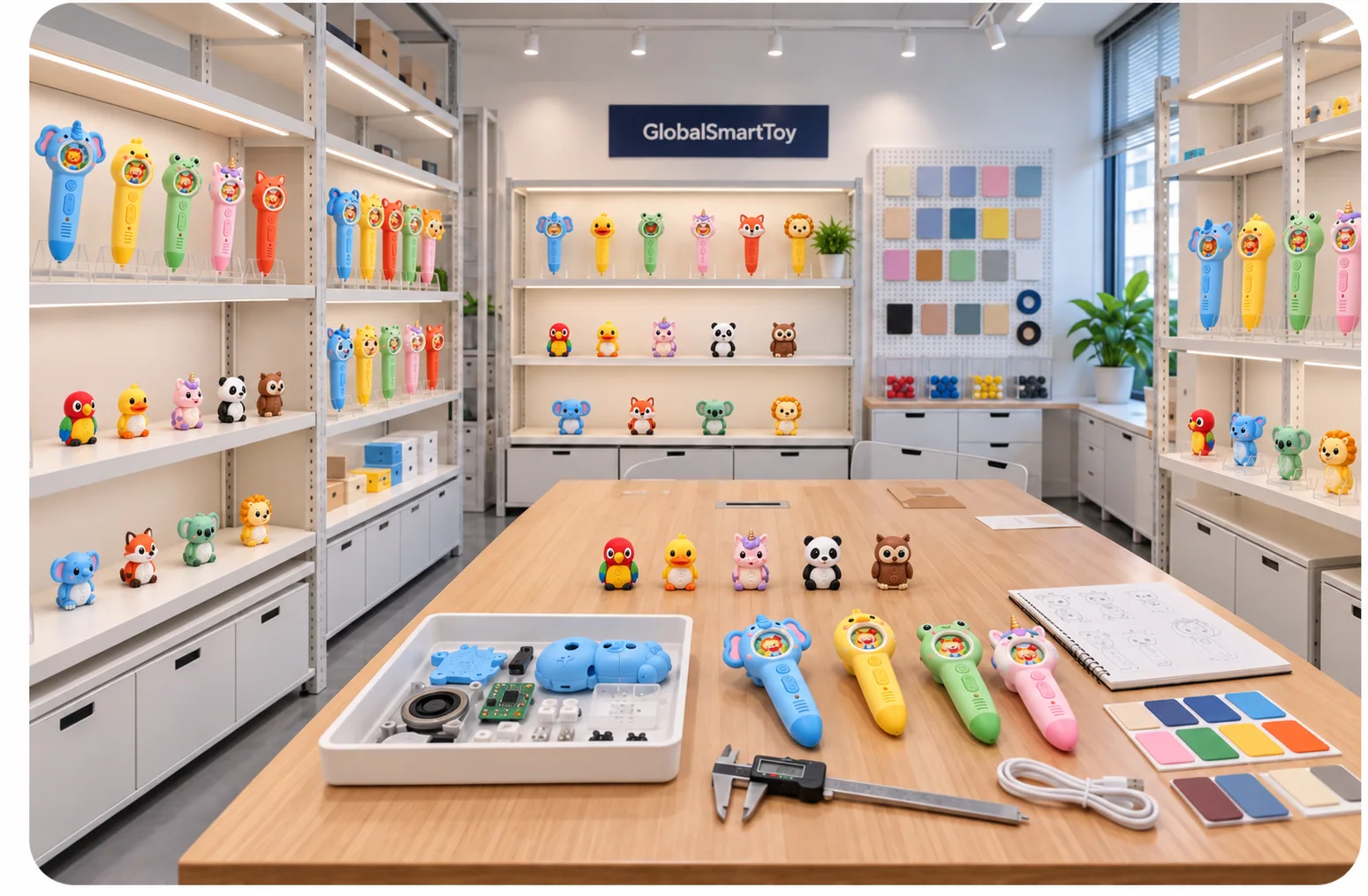
Identify the released hardware, firmware, code ranges and package set.
Separate existing and new audio, artwork, language and SKU files.
Check new content with retained and current production samples.
Document component, material, label and packaging differences before release.
New content can affect memory, code allocation, firmware, printed files, pack-out and compatibility even when the plastic housing stays the same.
Add books, cards or stickers while keeping the existing hardware platform.
Control translated artwork, audio libraries, labels and packaging identity.
Review component or charging changes against content and previous approvals.
Confirm released files, approved substitutions and current production evidence.
The previous approved product, firmware and content map provide the starting reference for every new title, deck, language or repeat order.
Review your requirements
Model, electronics, memory, charging, controls and approved components.
Code ranges, modes, playback rules and content-package compatibility.
Existing and new scripts, audio, artwork, touchpoints and language versions.
Product label, package artwork, accessories, barcode and carton marks.
Difference, reason, risk review, evidence and approval status.
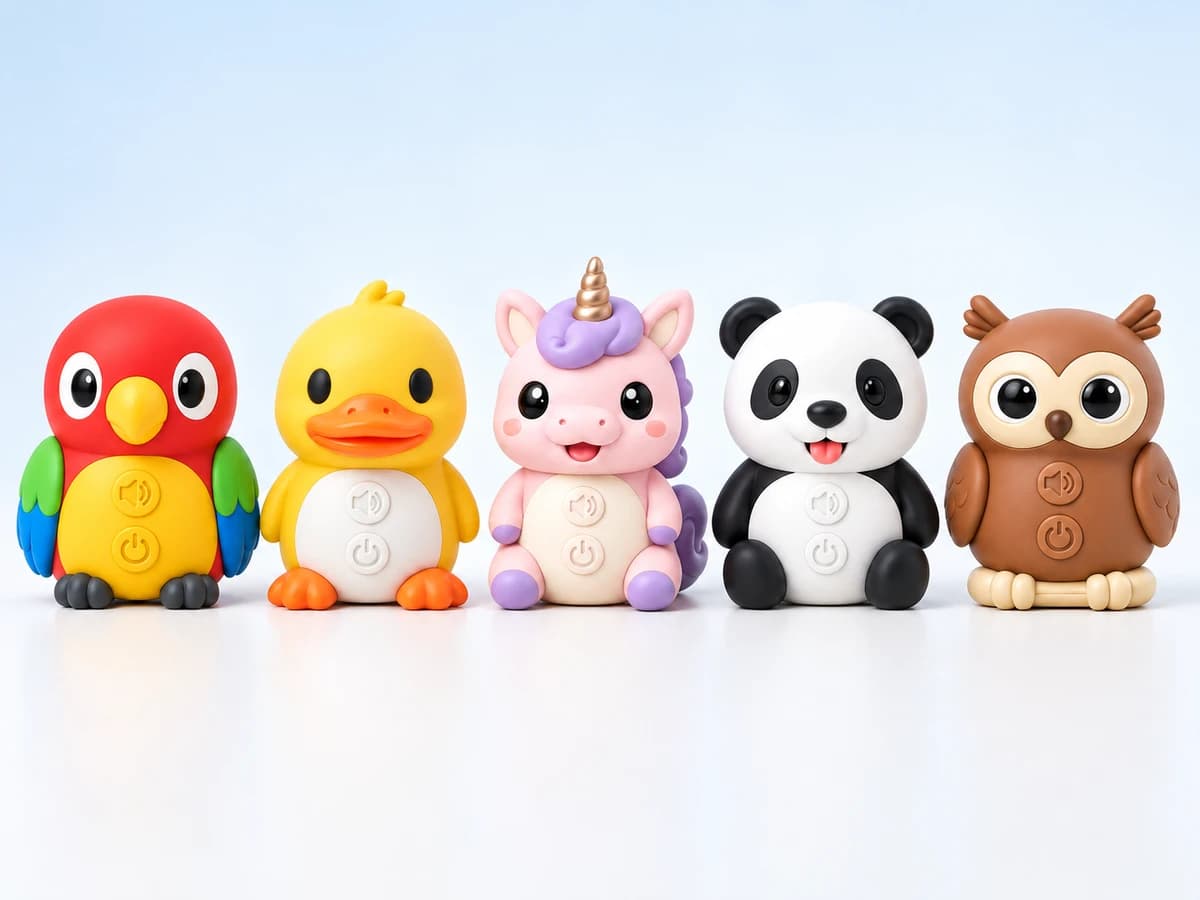
Content and SKU expansion can extend the product line without repeating every structural development step, provided compatibility remains controlled.
Add stories, vocabulary or curriculum content to an OID ecosystem.
Offer new topics or replenish worn and lost learning cards.
Reuse the platform with controlled audio, artwork, labels and SKU versions.
Update color, package artwork or set contents while reviewing change impact.
An expansion quote should identify which hardware, firmware, artwork and tests remain valid and which require new work.
Request a scope review| Decision | What we confirm | Why it changes the quotation |
|---|---|---|
| Baseline reference | Previous model, order, sample and files | Determines what can be reused confidently. |
| Content change | New topics, languages, touchpoints and audio | Changes file work, memory and proofing. |
| Hardware change | Components, controls, charging or housing | May change compatibility and validation. |
| SKU change | Color, label, accessories and packaging | Changes materials, artwork and minimums. |
| Order plan | Expansion quantity and repeat forecast | Changes component, print and commercial planning. |
Each stage has a tangible output so product, content and commercial decisions stay connected.
Collect the previous approved sample, files and order configuration.
List new content, language, hardware, package and market requirements.
Test the new package with retained and current product references.
Approve versioned files, differences and repeat-order inspection points.
Product and production evidence
Physical references support platform and version comparison.

New content and product changes reviewed together.

SKU, package and carton identity checked before dispatch.
The more clearly the current released configuration is identified, the less uncertainty surrounds the expansion.
Practical answers for an initial project review. Final commercial and technical terms belong in the written quotation and approved specification.
Potential compatibility depends on the released firmware, code ranges, memory and content system. It should be verified with retained samples rather than assumed.
Sometimes, if memory, firmware and user-selection behavior support it. Artwork, audio, labels and SKU identity still require controlled updates.
Yes, when card recognition, database mapping, packaging and compatibility with the installed device base are confirmed.
Review components, materials, firmware, files, labels, accessories, packaging and approved substitutions against the previous released configuration.
At minimum, a physical pack-out sample is recommended. Product or compliance impact depends on whether the set contents, labels, protection or configuration change.
Send the previous product reference and planned expansion so compatibility, new work and repeat-order controls can be reviewed together.