
Script control
Align approved source text, translation, pronunciation notes and language ownership.
Coordinate scripts, voice files, language selection, firmware, coded print, packaging and market-specific SKUs through one controlled release process.

Align approved source text, translation, pronunciation notes and language ownership.
Organize speakers, takes, filenames, compression and final approval by language.
Define language selection, prompts, repeat behavior, icons and error recovery.
Prevent mixed audio, print, instructions or packaging across market versions.
Use this route when translation, native-speaker audio, language selection and market packaging must remain synchronized through production.
Language publisher, education brand, regional distributor or school program managing multiple language releases.
Prototype one representative content unit and language-selection behavior before recording the full library.
Language count, audio minutes, voice production, memory, firmware behavior, print versions and SKU quantities.
A signed language matrix and physical sample covering text, pronunciation, audio mapping, controls and package identity.
Multilingual products fail when text, audio, firmware and packaging are updated independently. A language matrix connects every approved phrase and interaction to the correct file, device behavior and market SKU.
Review your requirements
Source text, translation, pronunciation, status, owner and target SKU.
Speaker brief, recording, take approval, editing and playback review.
Stable naming, IDs, code map, firmware reference and archived releases.
Buttons, touchpoints, switches or separate SKUs for language access.
Correct manual, label, artwork, audio, carton mark and product identity.
The best structure depends on learner age, content volume, distribution model and whether languages are used together or sold separately.
Provide paired vocabulary, phrases and repeat practice with clear selection behavior.
Connect owned curriculum content with approved pronunciation and audio.
Maintain separate market SKUs while sharing a validated hardware platform.
Structure lessons, prompts and audio around teacher-guided use.
That choice affects memory, controls, user clarity, packaging, order quantities and the risk of mixed market versions.
Request a scope review| Decision | What we confirm | Why it changes the quotation |
|---|---|---|
| Language architecture | One bilingual device, multi-language menu or separate SKUs | Changes firmware, controls, memory and user experience. |
| Translation ownership | Source text, reviewers, pronunciation guidance and final approval | Determines responsibility for accuracy and revision timing. |
| Voice production | Speaker profile, recording, editing, rights and playback review | Changes one-time cost, schedule and file volume. |
| Print versions | Shared artwork, translated pages, cards, manuals and labels | Changes print minimums, layout work and pack-out control. |
| Market quantities | Units per language, mixed orders and reorder forecast | Affects material planning, SKU economics and shipment inspection. |
Each stage has a tangible output so product, content and commercial decisions stay connected.
Confirm scripts, markets, selection behavior, content ownership and reviewers.
Approve pronunciation and map final files to product interactions.
Check every language on physical print, device modes and production-intent samples.
Identify, inspect and pack the correct language version for each order.
Product and production evidence
Product application review keeps the language experience clear for the intended learner.

Scripts, audio, firmware and printed content reviewed through one project release.
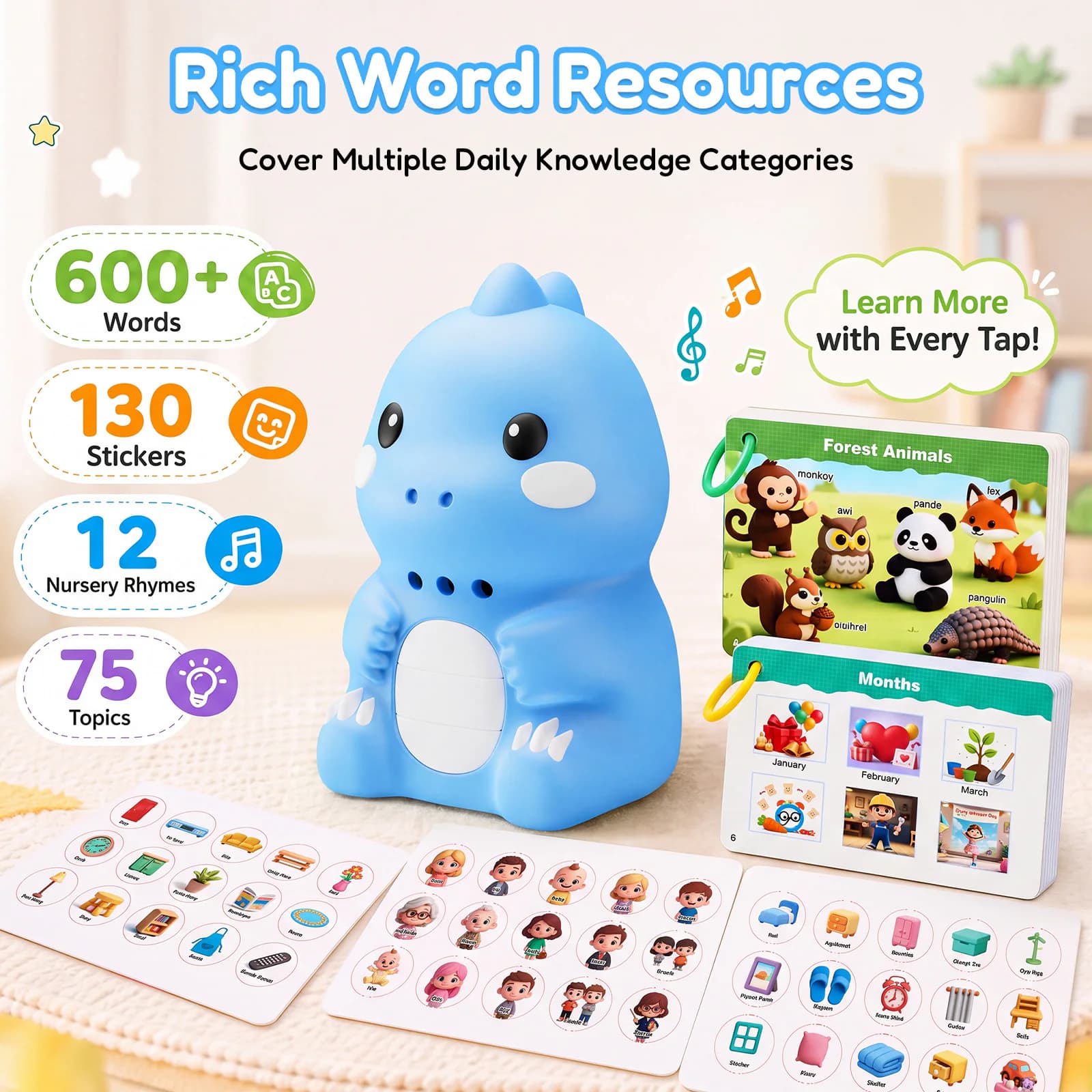
Character-led hardware can support structured multilingual content programs.
A short sample chapter or category can expose translation, pronunciation and file-structure decisions before the full audio library is produced.
Practical answers for an initial project review. Final commercial and technical terms belong in the written quotation and approved specification.
Capacity depends on audio duration, memory, firmware and the user interface. The technically possible number may be higher than the number a young learner can navigate clearly.
Voice production can be coordinated when the script, speaker profile, pronunciation guidance, usage rights and approval owner are defined. Final playback should be reviewed on the actual product speaker.
One device may suit bilingual learning, while separate SKUs can simplify retail, packaging and user experience. The decision should consider memory, controls, channel and order quantities.
Use unique SKU identities, controlled file packages, programming records, labels, pack-out instructions and shipment sampling that checks audio against the visible market version.
Yes when editable artwork, translation rights, scripts and audio are available. Text expansion, page layout, OID mapping and print recognition should be reviewed for each language version.
Send your language list and representative content. We will outline the file structure, sample path and quotation inputs for a controlled multilingual program.