
Standard platform first
Protect a validated housing and electronics base before adding custom content or branding.
Use established hardware, focused customization and clear sample gates to make an educational-toy pilot commercially and technically credible.
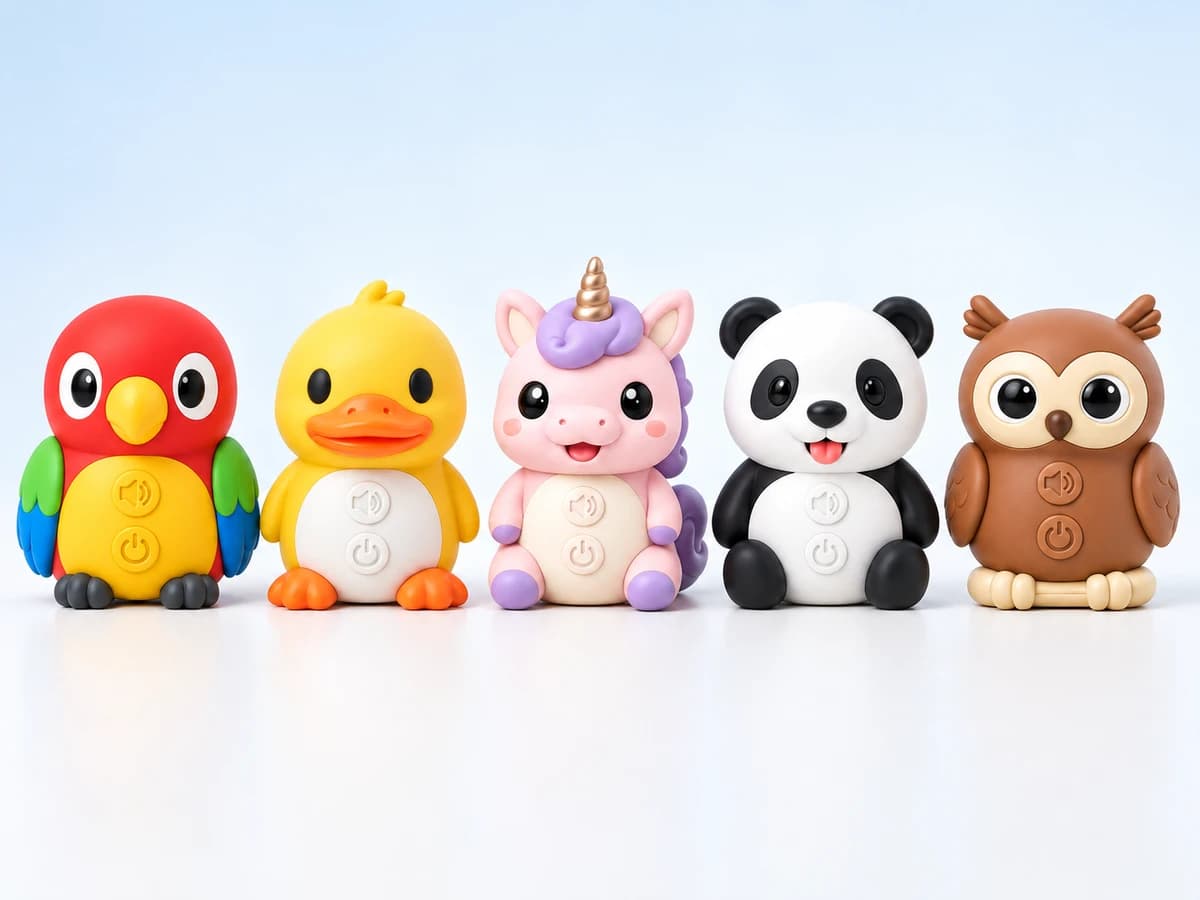
Protect a validated housing and electronics base before adding custom content or branding.
Prioritize changes that buyers can see or use without creating avoidable tooling and component minimums.
Separate setup, content, samples, testing and packaging from recurring unit cost.
Archive the approved configuration and supplier commitments so a successful pilot can scale.
The strongest small-batch project protects standard hardware and spends development effort only where it tests a meaningful market assumption.
Startup, publisher, distributor or school program testing one product-market proposition.
Choose an existing device and keep custom work in content, audio, logo, inserts or practical packaging.
Component minimums, print setup, custom colors, packaging, content preparation, testing and pilot quantity.
A complete pilot sample that represents what users will receive and what the production line can repeat.
Electronics, molded color, printed content and packaging can each have a different minimum. We identify the real constraint, then adjust the scope rather than promising an unrealistic one-size-fits-all quantity.
Review your requirements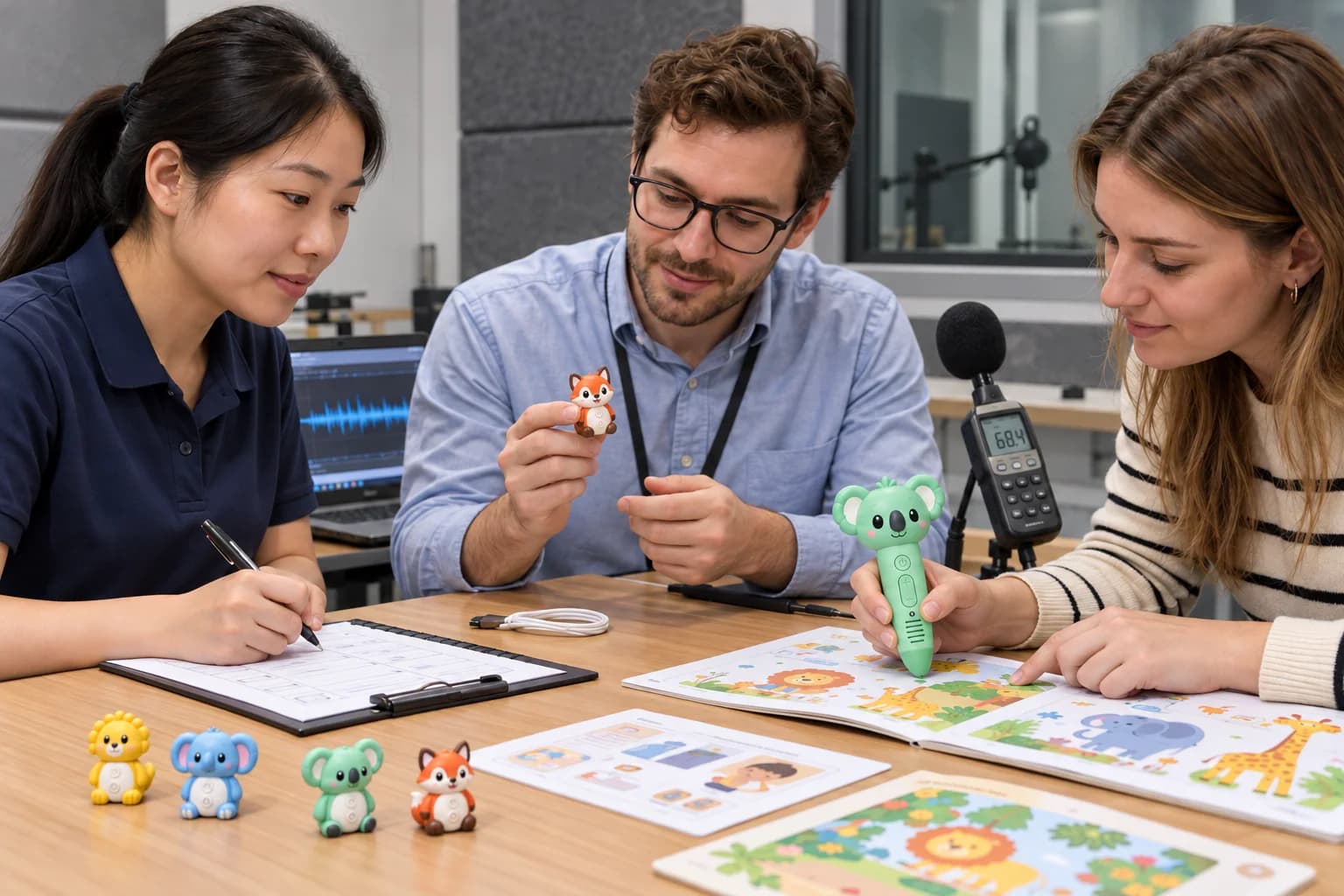
Existing device, stocked materials and component purchasing requirements.
Book, card, label and packaging setup quantities and acceptable overrun.
Logo, color, audio, firmware, artwork and any new tooling or fixtures.
Integrated samples, applicable testing and production verification.
The market, usability or channel decision the first order must support.
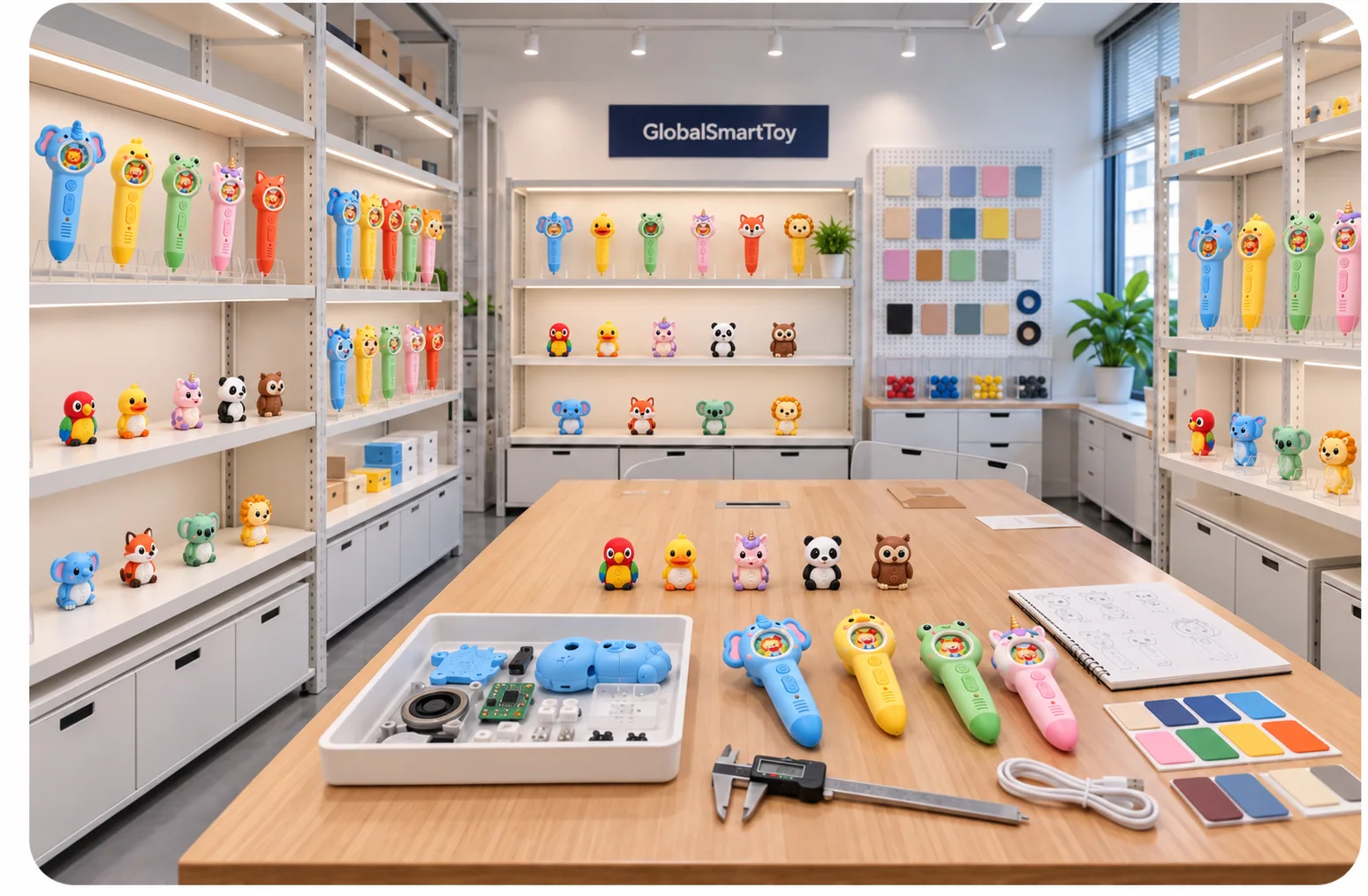
A smaller first order is most useful when the product configuration stays stable and the buyer knows what evidence will trigger a reorder.
Validate demand for one clear product and offer before expanding variants.
Test one title or language with a compatible existing reader platform.
Start with a focused SKU and documented replenishment path.
Evaluate usability and content fit with a controlled classroom set.
This breakdown shows which part of the request creates the quantity constraint and where scope can be simplified responsibly.
Request a scope review| Decision | What we confirm | Why it changes the quotation |
|---|---|---|
| Electronics | Standard board, sensor, memory, battery and speaker | Custom electronics can create component and engineering minimums. |
| Housing | Existing mold, standard color and simple branding | New geometry or special resin introduces tooling and material commitments. |
| Printed content | Page or card count, size, finish and print method | Setup, material yield and finishing often have independent minimums. |
| Packaging | Standard structure with custom artwork or labels | Premium structures and finishes can exceed the device MOQ. |
| Pilot economics | One-time setup versus recurring unit cost | Makes the first run and the likely reorder financially understandable. |
Each stage has a tangible output so product, content and commercial decisions stay connected.
Identify electronics, print, packaging and commercial quantity constraints.
Keep must-have differentiation and remove changes that do not serve the pilot.
Test the complete pilot configuration, not a generic catalogue unit.
Use pilot results to repeat, revise or expand through controlled changes.
Product and production evidence
Compare established platforms before defining the pilot scope.
Customer requirements tested against physical samples and files.
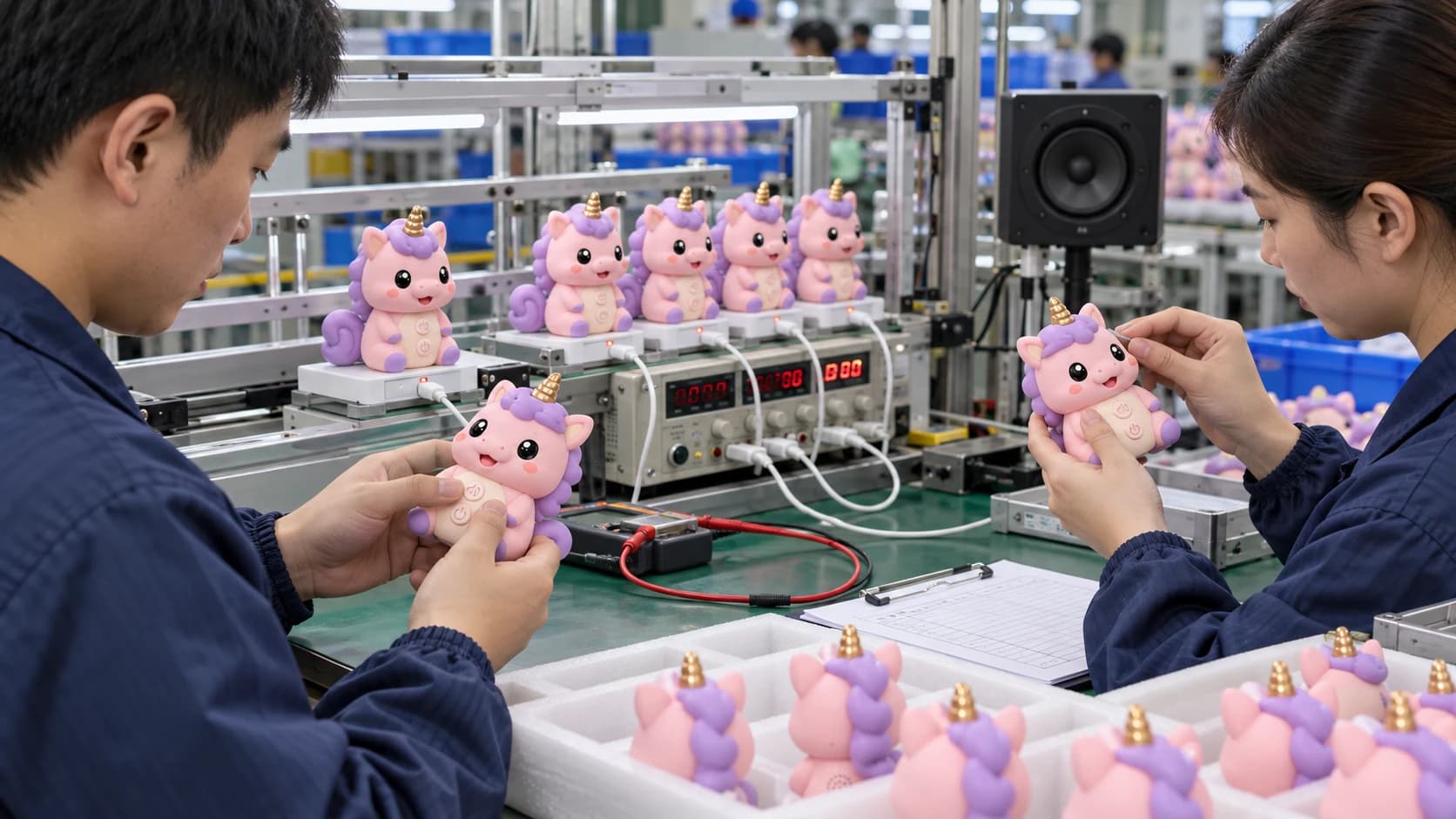
Functional verification on the selected production platform.
That distinction is the fastest route to a realistic small-batch quotation and a useful first production run.
Practical answers for an initial project review. Final commercial and technical terms belong in the written quotation and approved specification.
There is no responsible single answer across all platforms. MOQ changes with electronics, shell color, logo method, print, packaging and component availability. We review the configuration and explain the limiting item.
Yes when the package method and print minimum are practical. Digital printing, labels or simpler structures may reduce setup pressure compared with highly finished retail packaging.
No. The product placed on the market still needs an appropriate compliance and quality plan. A pilot may use a standard platform, but its final configuration and labels still require review.
Approved audio, artwork, mappings, fixtures and packaging files may be reusable when the configuration remains compatible. The quotation should distinguish reusable assets from recurring charges.
Logo printing or labels, approved shell colors, startup audio, content files, printed inserts and straightforward packaging are generally easier than new molds or electronics, subject to platform review.
Send the pilot quantity and must-have scope. We will identify which requirements fit an existing platform and which ones drive additional minimums.