
Scope before price
Compare quotations built around the same product and deliverables.
Define the product, customization, content, market and quantity before comparing unit prices that may include different scopes.
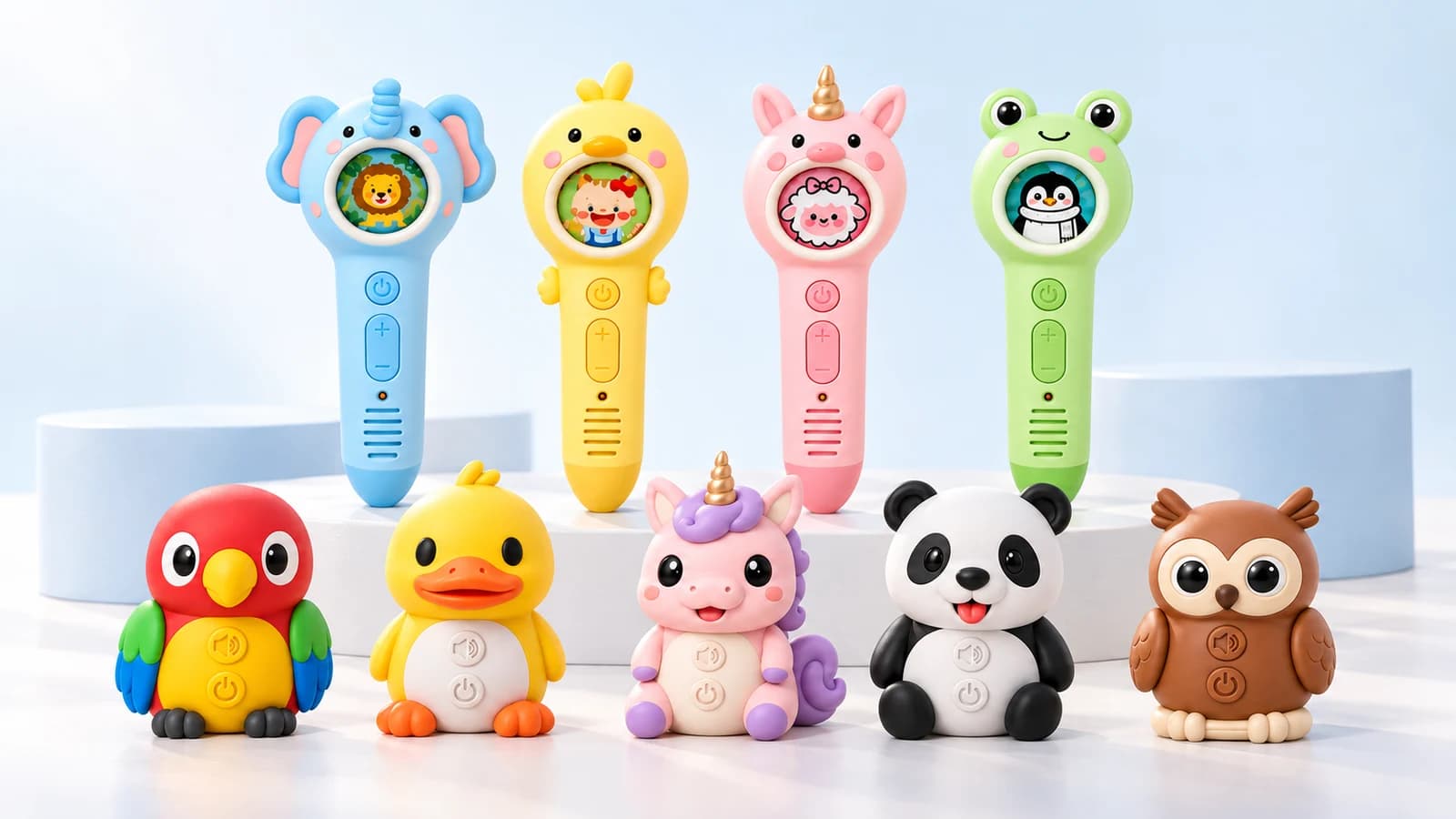
Compare quotations built around the same product and deliverables.
Separate pilot, launch and repeat-order assumptions.
Identify tooling, artwork, coding, audio and sample work separately.
Include accessories, packaging, labels and inspection in the reviewed set.
The lowest visible unit price may exclude content work, testing, accessories, packaging or tooling that another quotation includes.
Reduces structural development when housing and core electronics already fit.
Concentrates print, component and packaging quantities during a pilot.
Focus spending on changes buyers can see or the learning experience requires.
Stable files and components make later quotations easier to compare and control.
Hardware, content, accessories and packaging should be priced against one configuration so exclusions and assumptions are visible before sample approval.
Review your requirements
Platform, housing changes, electronics, battery, charging and controls.
Languages, scripts, audio, firmware, coding, books, cards and stickers.
Logo, colors, surface treatment, tooling and custom components.
Accessories, inserts, retail box, labels and master-carton configuration.
Sample stages, test preparation, inspection method and shipment evidence.
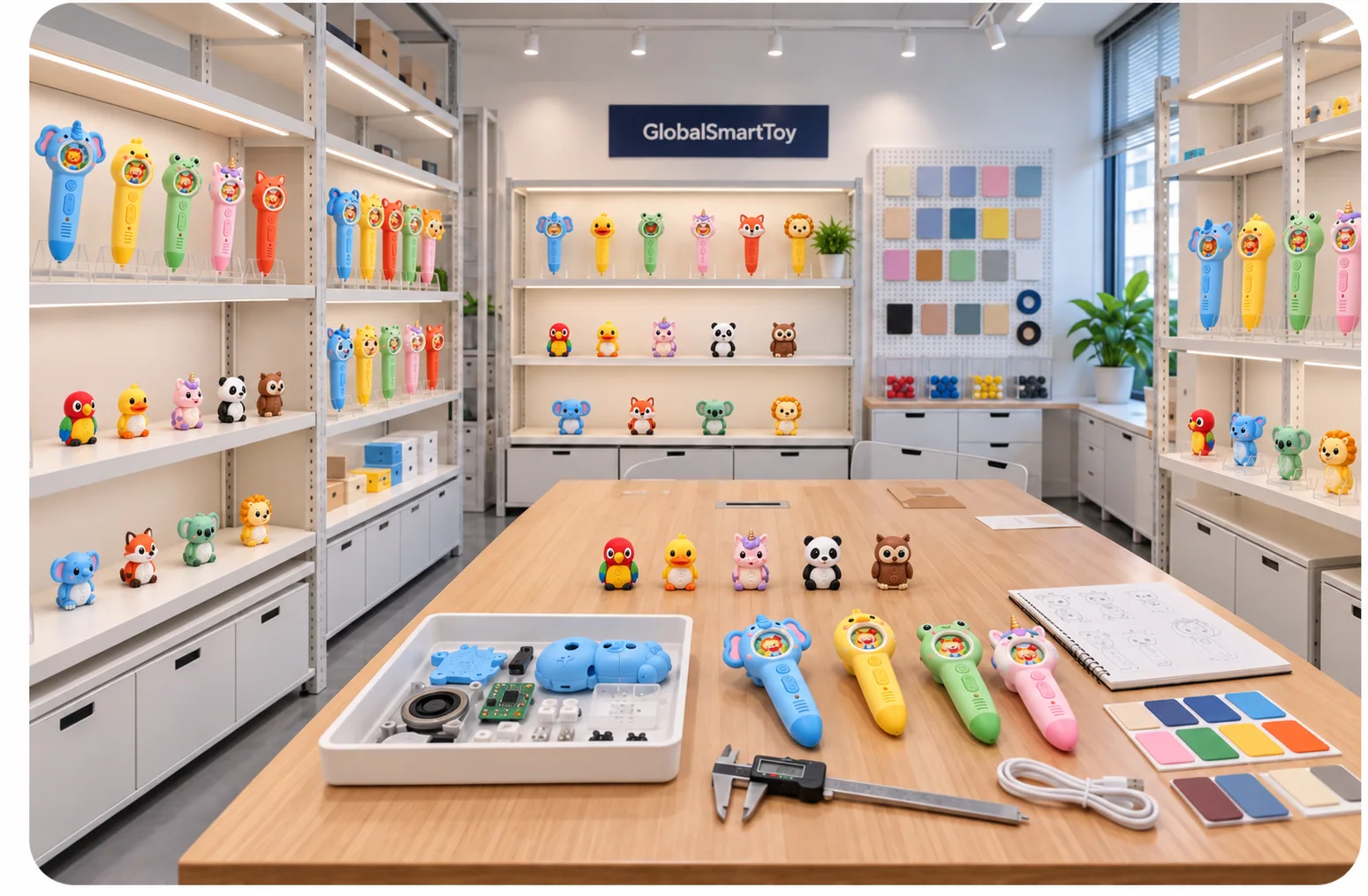
A pilot order, retailer launch and multi-market rollout need different quantity, SKU and validation assumptions.
Use an established platform, focused customization and limited SKU count.
Coordinate logo, colors, content, packaging and order quantities.
Budget for artwork, audio, coding, proofing and version control.
Separate design, tooling, engineering, validation and production costs.
The first review does not require every detail, but it should expose the main variables that change cost or MOQ.
Request a scope review| Decision | What we confirm | Why it changes the quotation |
|---|---|---|
| Platform | Existing product, modified platform or new tooling | Changes development, validation and minimums. |
| Customization | Logo, color, housing, firmware and content | Changes one-time and recurring costs. |
| SKU structure | Languages, colors and market variants | Splits material and packaging quantities. |
| Retail contents | Books, cards, cable, inserts and packaging | Changes unit cost, labor and shipping volume. |
| Market scope | Destination, age grade and compliance responsibility | Changes materials, labels, documents and test planning. |
Each stage has a tangible output so product, content and commercial decisions stay connected.
Collect the product, market, quantity and must-have customization.
Identify supplied files, included items, exclusions and unresolved decisions.
Compare existing-platform, modified-platform and deeper ODM options where useful.
Update the commercial scope after the production-intent configuration is approved.
Product and production evidence
Existing platforms can reduce unnecessary structural development.

Packaging configuration changes material, labor and shipping scope.

Final set and carton checks belong in the delivered configuration.
Quantity tiers and target-cost context are more useful than forcing one premature figure.
Practical answers for an initial project review. Final commercial and technical terms belong in the written quotation and approved specification.
A fixed price without product, quantity, content and package scope would be misleading. A preliminary review can identify the main drivers and missing inputs.
Platform availability, component minimums, shell color, printing, packaging, language SKUs and customization depth can all create different minimums.
Usually they involve different development scopes, but final cost depends on the platform, material, process, quantity and approval requirements.
Sometimes, if the sales channel and market requirements allow it. Packaging still needs to protect the product and carry required information.
Responsibilities and included preparation should be stated explicitly. Third-party laboratory fees and legal obligations vary by product, market and commercial role.
Send your product, market and quantity ranges for a practical review of the main quotation drivers.