
Content first
Choose around books, cards, stickers, prompts and expected updates.
Compare OID pens, character readers and flash-card machines before committing artwork, audio and packaging to the wrong interaction.
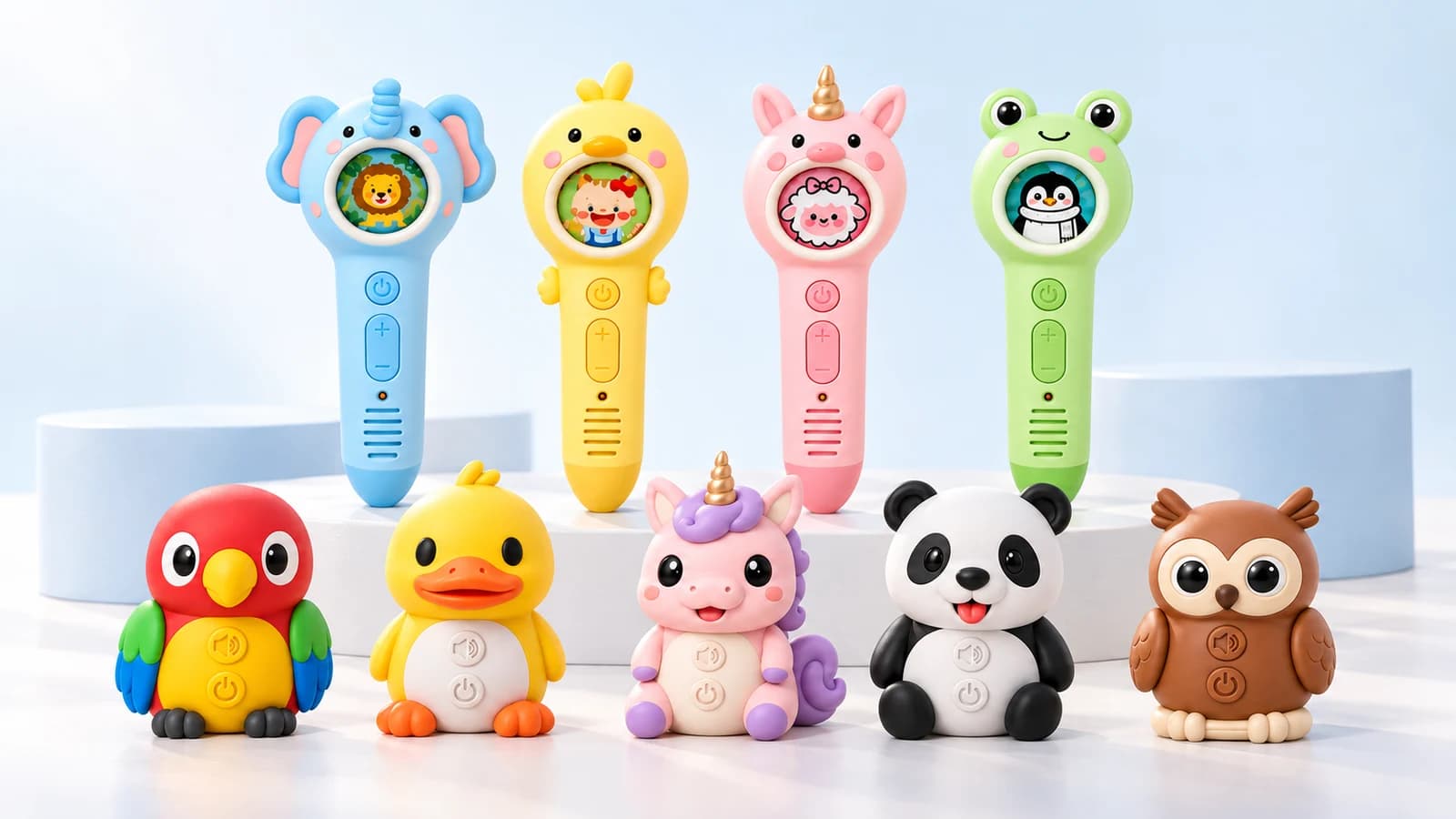
Choose around books, cards, stickers, prompts and expected updates.
Compare touch-reading, character-led and insert-card behavior.
Review customization, quantity, SKU and packaging implications.
Consider new titles, languages and replacement content before launch.
The best choice depends less on appearance than on how much content exists, how users access it and how the program should expand.
Best for books, posters, worksheets and many touchpoints across expandable content.
Best for a visible character platform paired with coded books, cards or stickers.
Best for focused insert-and-play vocabulary decks with a simple learning routine.
Best when one brand needs different entry prices or learning journeys across age groups.
Hardware selection changes artwork preparation, audio mapping, firmware, accessories, packaging, replenishment and the way users access content.
Review your requirements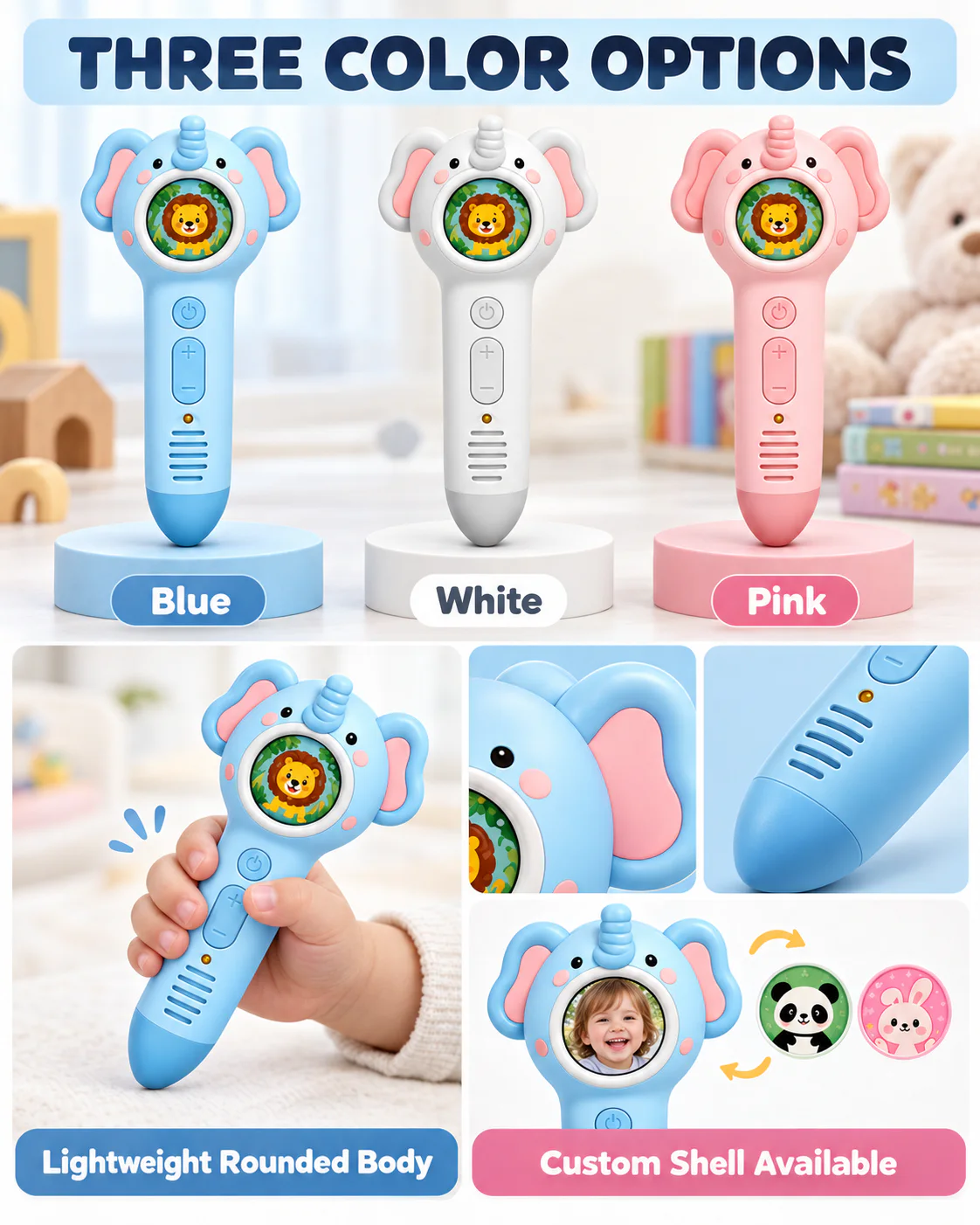
Number of titles, topics, cards, touchpoints and languages.
Touch a printed area, touch with a character reader or insert a card.
New books, card decks, stickers, firmware or complete SKU releases.
Housing, colors, audio, print, accessories and package set.
Existing platform, pilot quantity, deeper tooling and repeat-order plan.
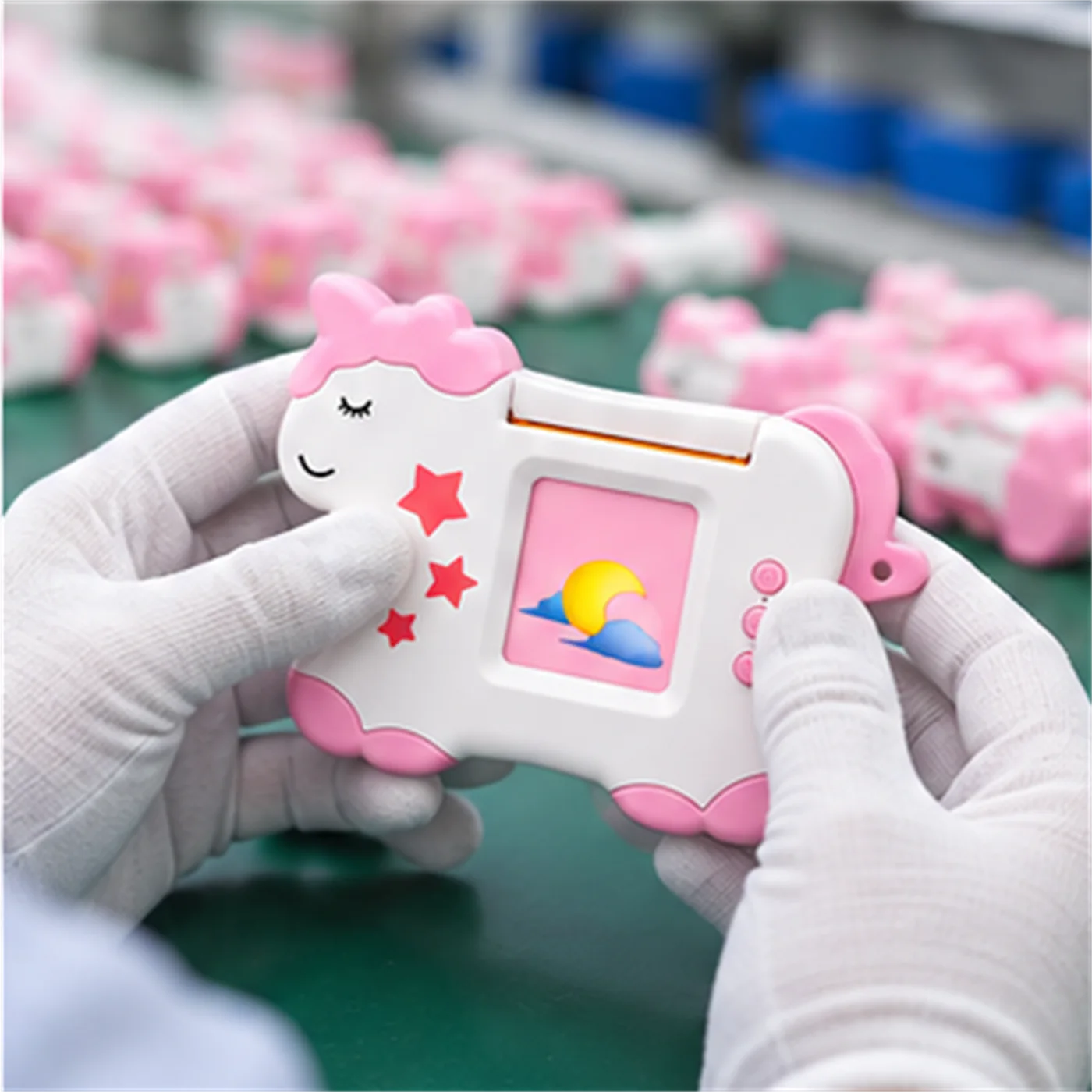
A short vocabulary deck and a multi-title publishing program should not be forced into the same hardware decision.
OID pens support many pages, titles and mapped interactions.
Talking readers create a visible companion around stories and activities.
Flash-card machines provide repeatable card-by-card recognition practice.
Use multiple platforms to create clear price and feature tiers.
A platform recommendation becomes practical when content, quantity and market requirements are considered together.
Request a scope review| Decision | What we confirm | Why it changes the quotation |
|---|---|---|
| Content format | Books, cards, stickers, posters or mixed set | Determines recognition and mapping route. |
| Content volume | Topics, touchpoints, languages and updates | Changes memory, file control and print scope. |
| User experience | Touch, insert, repeat, mode and feedback | Changes hardware and firmware fit. |
| Customization | Existing shell or new structural design | Changes development depth and minimums. |
| Retail model | Single SKU, series, refill content or assortment | Changes packaging and repeat-order planning. |
Each stage has a tangible output so product, content and commercial decisions stay connected.
Identify the content format, learner action and expansion plan.
Compare technical and commercial fit across relevant existing products.
Test the intended interaction with sample content and accessories.
Release the selected platform into quotation, content and packaging work.
Product and production evidence
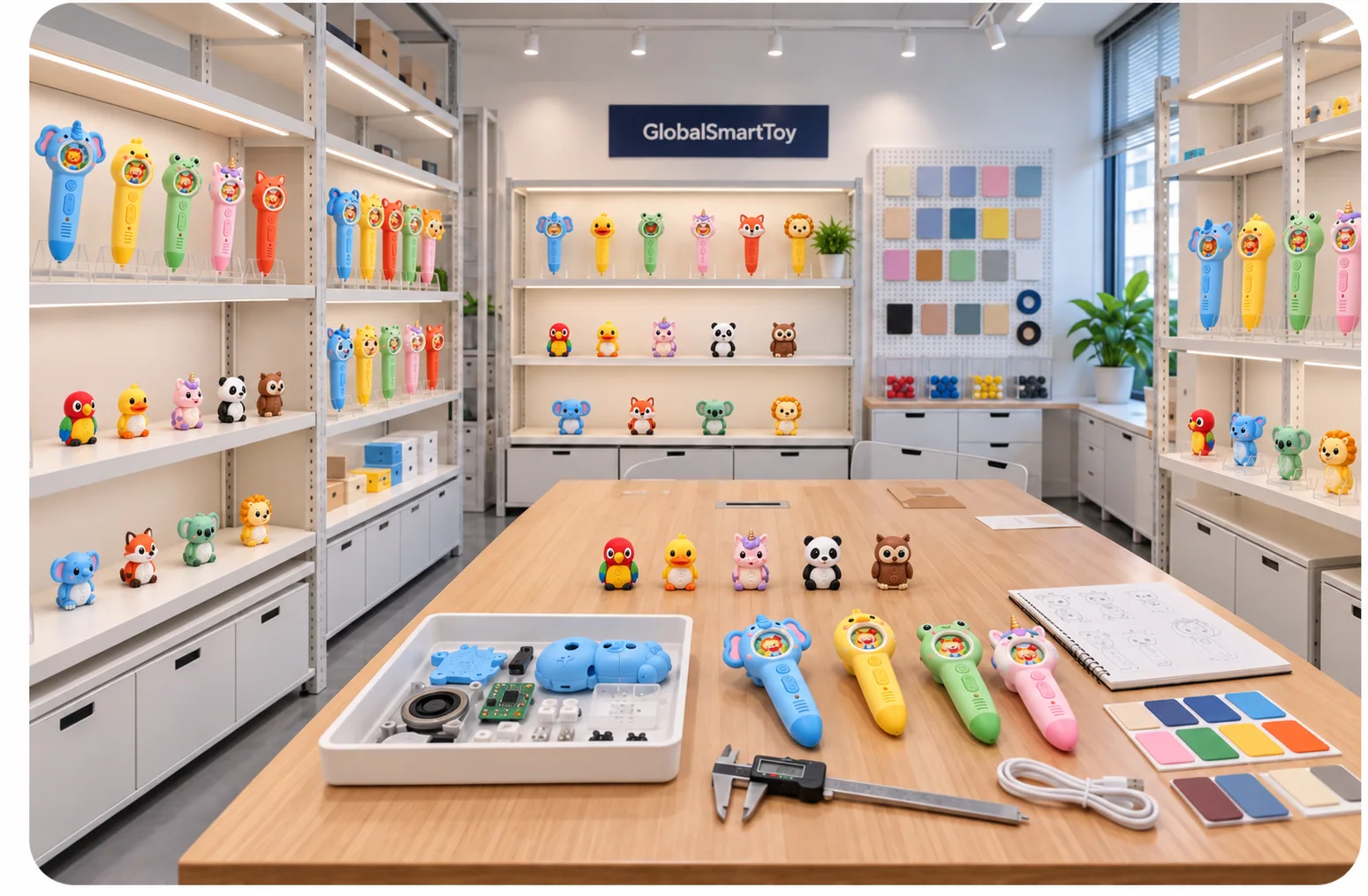
Existing products compared before deeper development.
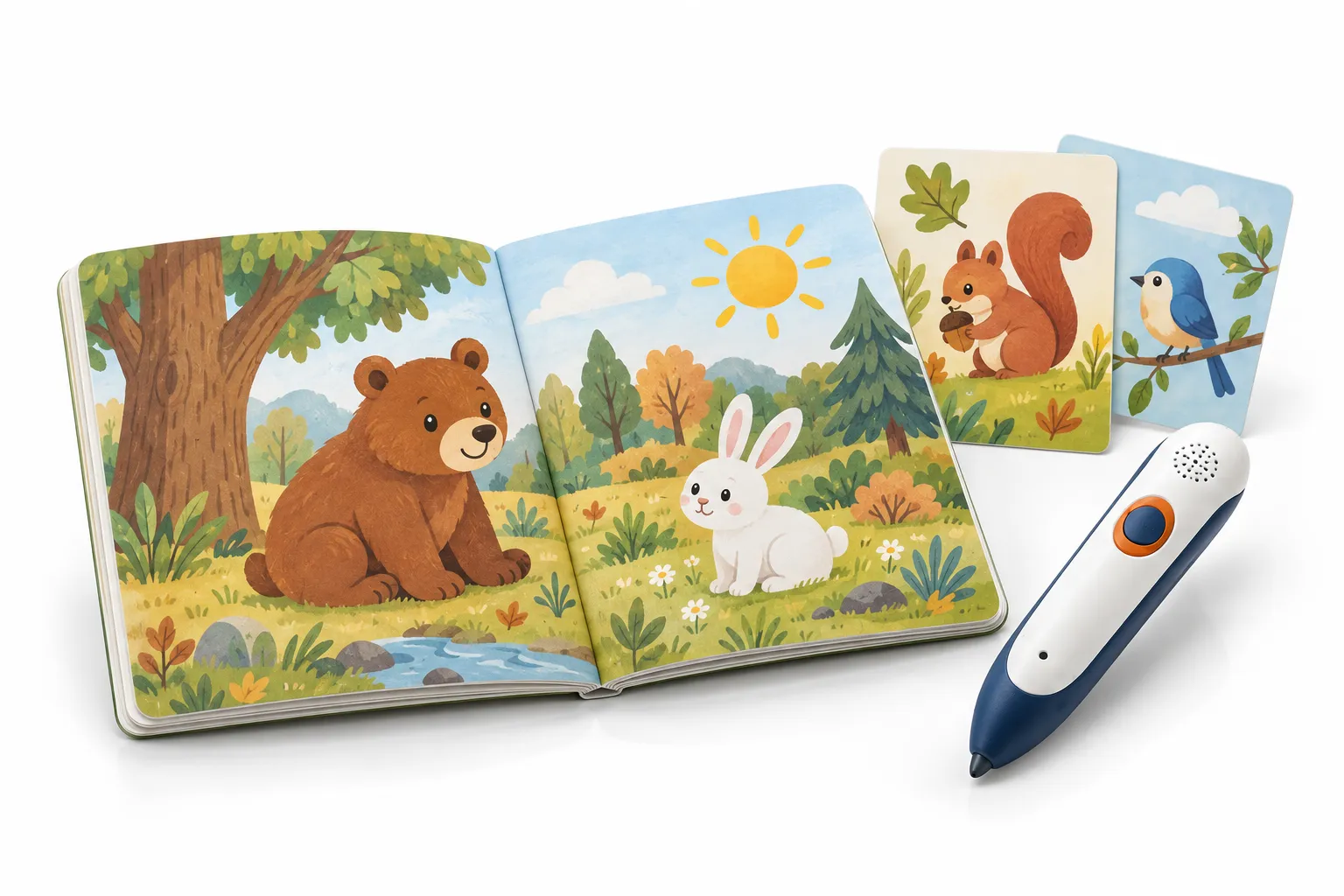
Touch-reading route for content-rich programs.
Insert-card route for focused vocabulary practice.
A product photo alone is not enough to recommend the correct platform.
Practical answers for an initial project review. Final commercial and technical terms belong in the written quotation and approved specification.
An OID reading-pen ecosystem is usually the most flexible starting point for many pages and titles, subject to content, memory and program design.
A flash-card machine provides a clear insert-and-play routine, while an OID pen supports more flexible touchpoints and mixed printed formats.
It adds a visible character-led product identity while still supporting compatible coded books, cards or stickers.
Yes. Product families can serve different ages, content depths, retail prices or channels when branding and content control remain coordinated.
Yes, using representative content and the intended learner journey, but the final configuration should be confirmed with an integrated sample.
Send representative content, target age and order plan for a focused platform recommendation.