
Anonymized project reference
Unicorn Talking Flash Card Machine for Vocabulary Sets
An anonymized development reference showing how a unicorn card reader, vocabulary library, audio package and retail set are evaluated together.
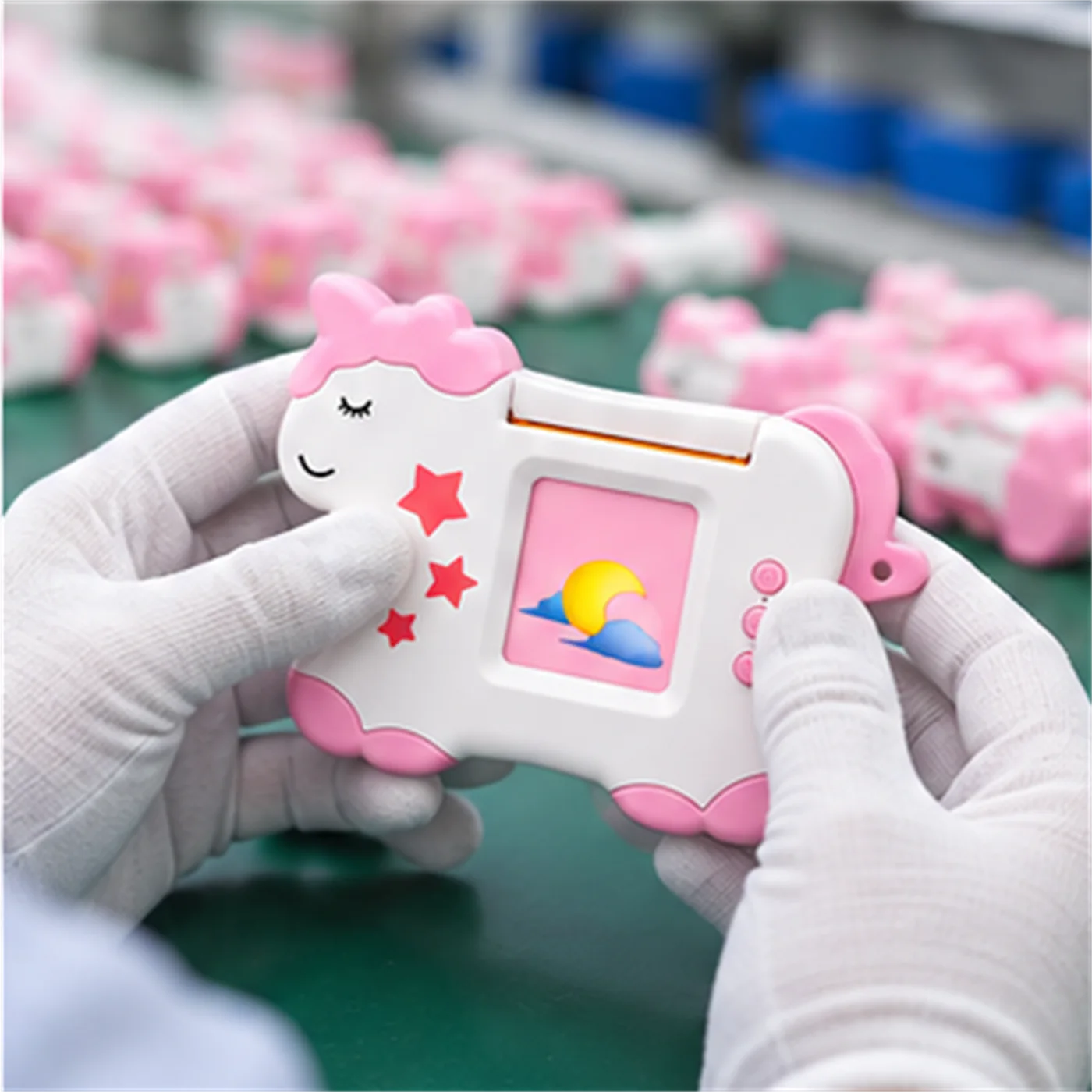
This reference uses an actual GlobalSmartToy talking-card platform and documented production controls. Customer name, market, volume, pricing and sales performance remain confidential.
The sourcing challenge
The product had to work as one controlled system.
A card machine depends on consistent recognition across the full card library. The project therefore had to control card identity, artwork orientation, audio mapping, insertion behavior, repeated-use durability and the exact contents of the retail set—not only the appearance of the reader.
Development approach
A card-library matrix connected every physical card with its device response.
Vocabulary structure
Organize categories, card count, languages and response style before the full artwork and audio library are produced.
Recognition mapping
Assign a unique controlled identity to every card and link it with the approved word, sound or prompt.
Range testing
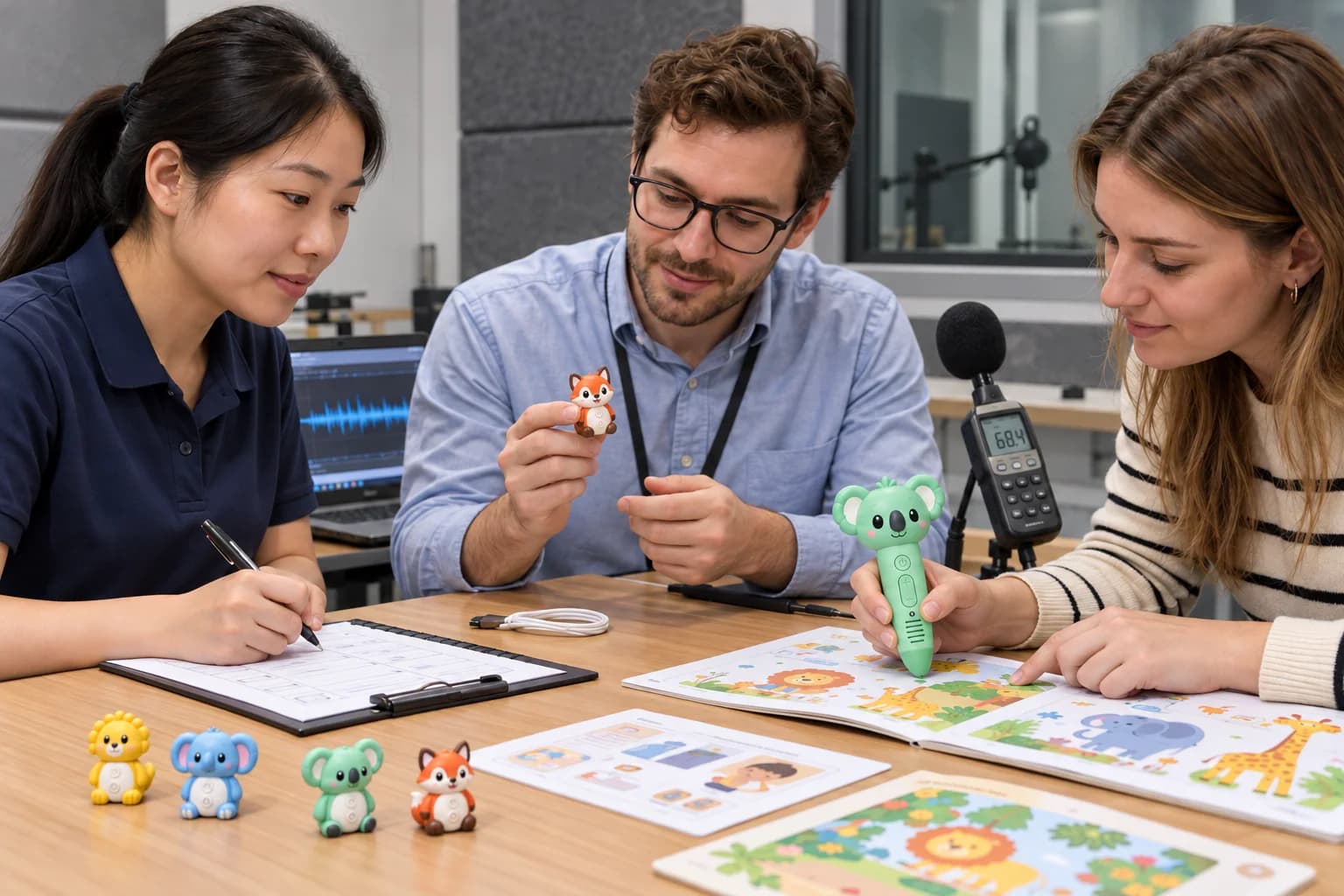
Check early, middle and late card IDs, repeated insertions, reversed handling and representative production cards.
Retail configuration
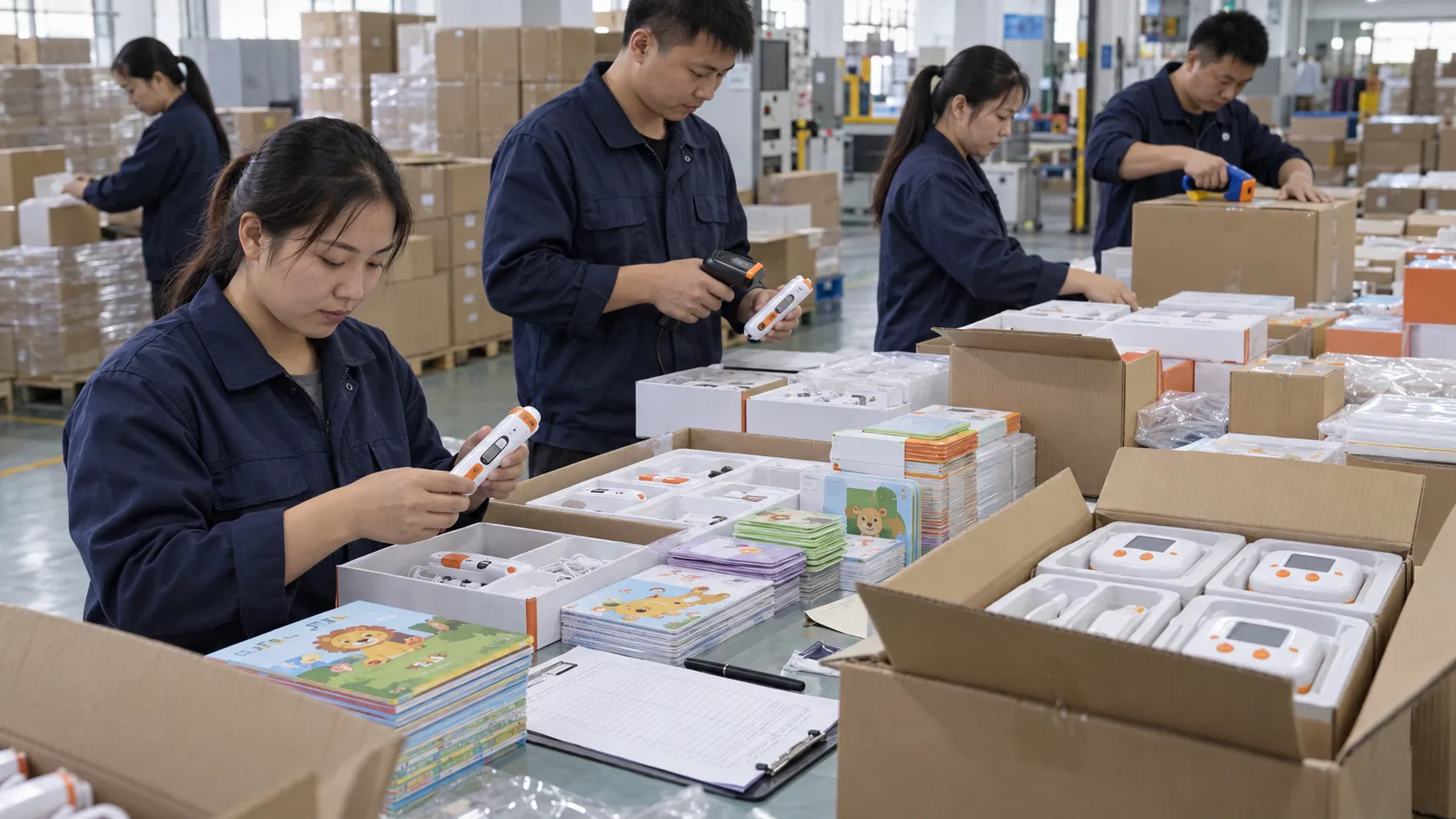
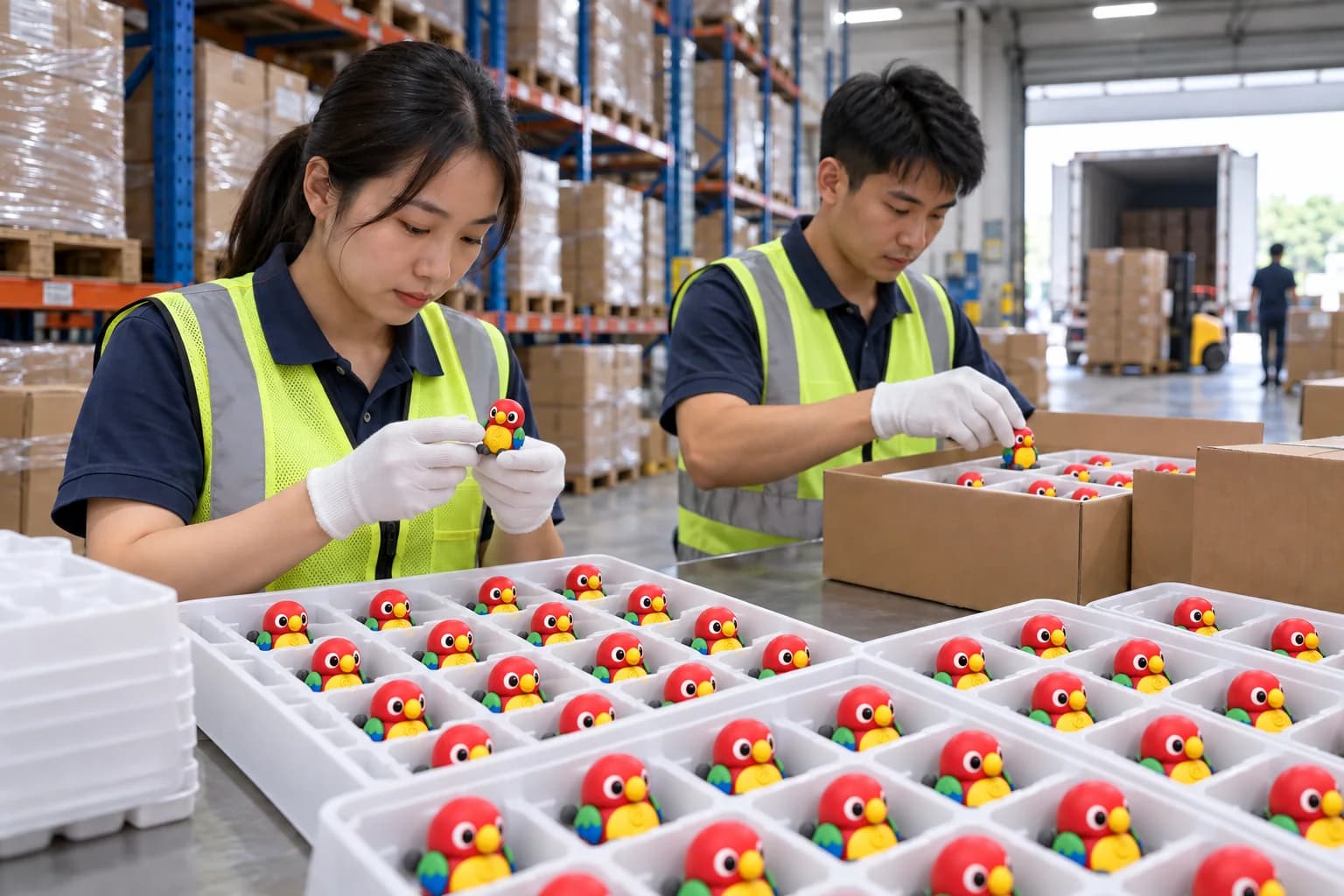
Confirm reader, card storage, cable, instructions, labels and package arrangement for the target SKU.
Controlled scope
What was connected, and what provided evidence.
Physical evidence
Samples, testing and pack-out reviews.
Verification plan
Checks tied to the approved product baseline.
- 01
Recognition and correct playback across representative IDs from the complete card range
- 02
Card insertion, removal and repeated-use behavior with production-intent card stock
- 03
Speaker clarity, volume control, charging, startup and power behavior
- 04
Correct language/audio installation and matching printed card edition
- 05
Card count, accessories, instructions, labels and retail packaging contents
Controlled outcome
One controlled card library for sampling, production and reorders.
The project baseline linked each physical card identity with its audio response and matched that library to the approved reader and pack-out. This creates a more useful reference for production testing and later content extensions than a visual sample alone.