
Platform selection
Choose a product architecture that fits the audience, price position and planned content.
Build a differentiated retail set with an established product platform, controlled brand assets, custom content and market-ready packaging.
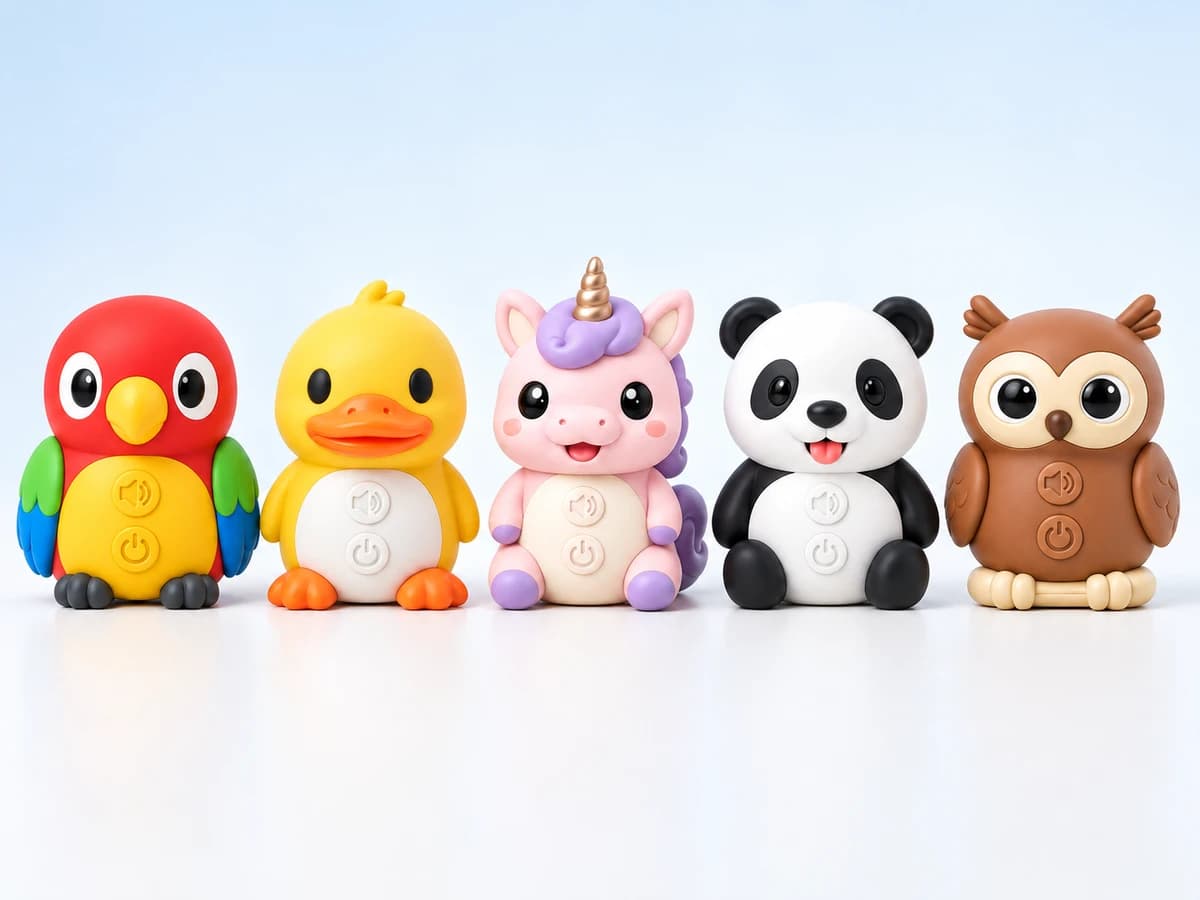
Choose a product architecture that fits the audience, price position and planned content.
Control logo, colors, startup audio, manuals, labels and packaging as one approved identity.
Add language, voice, books, cards or stickers that make the set relevant to your market.
Archive the released product, files and package so successful SKUs can be replenished consistently.
Use established hardware to reduce development risk, then invest in the brand, content and package elements that buyers actually see and use.
Retailers, distributors, publishers and new education brands launching a branded range.
Existing housing with approved logo, color, audio, printed content and retail packaging.
Modified electronics or new tooling when an exclusive feature supports the expected volume.
A sellable sample with final branding, content, accessories, labels and pack-out.
A private-label release connects the physical product with approved artwork, audio, instructions, barcode and carton identity so production and reorders remain clear.
Review your requirements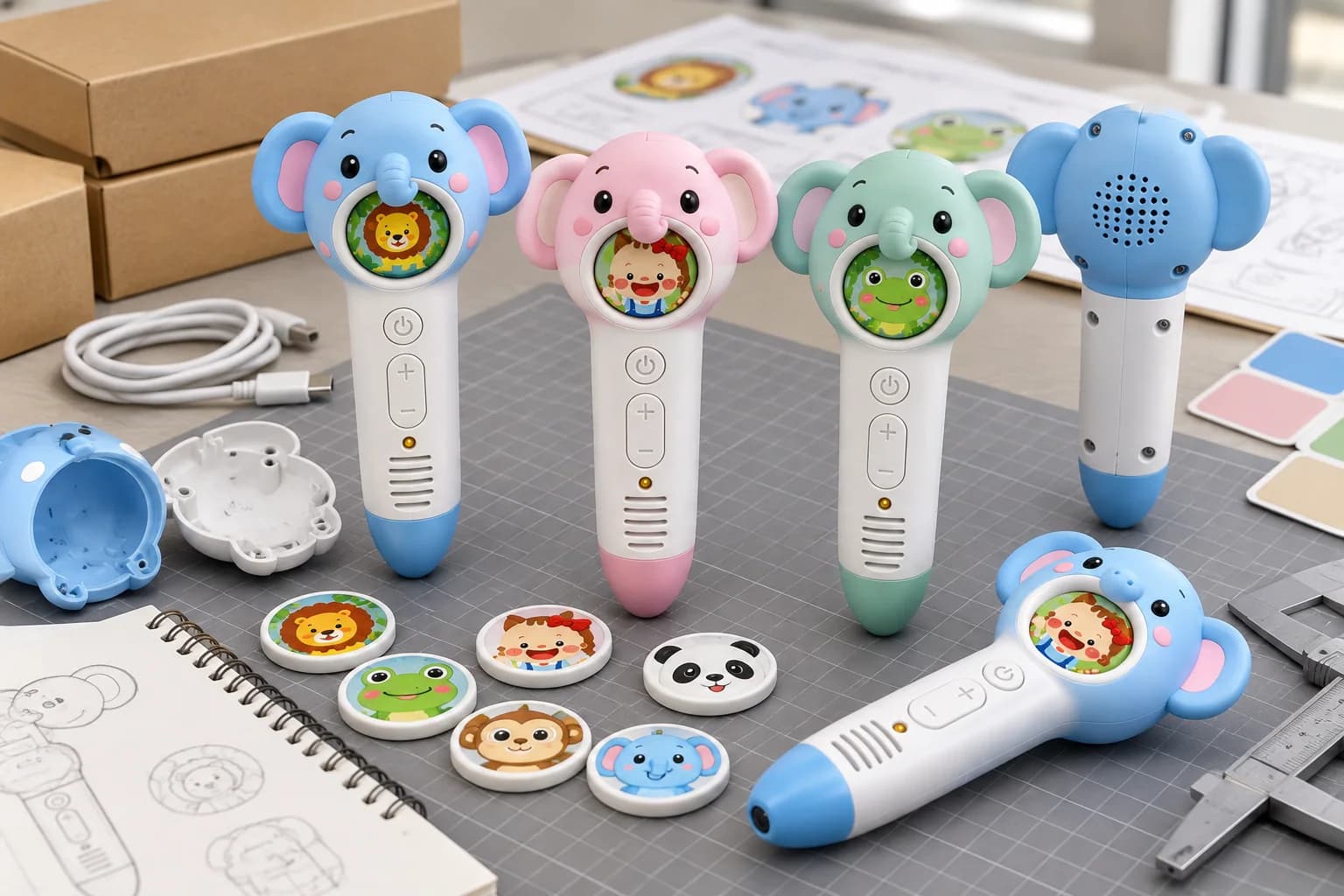
Exact model, electronics, memory, controls and power configuration.
Logo method, color standard, printed graphics and startup or voice identity.
Language, audio, books, cards, stickers and user instructions.
Box structure, artwork, labels, barcode, inserts and channel requirements.
Approved sample, files, component identity, tolerances and change-notification rules.
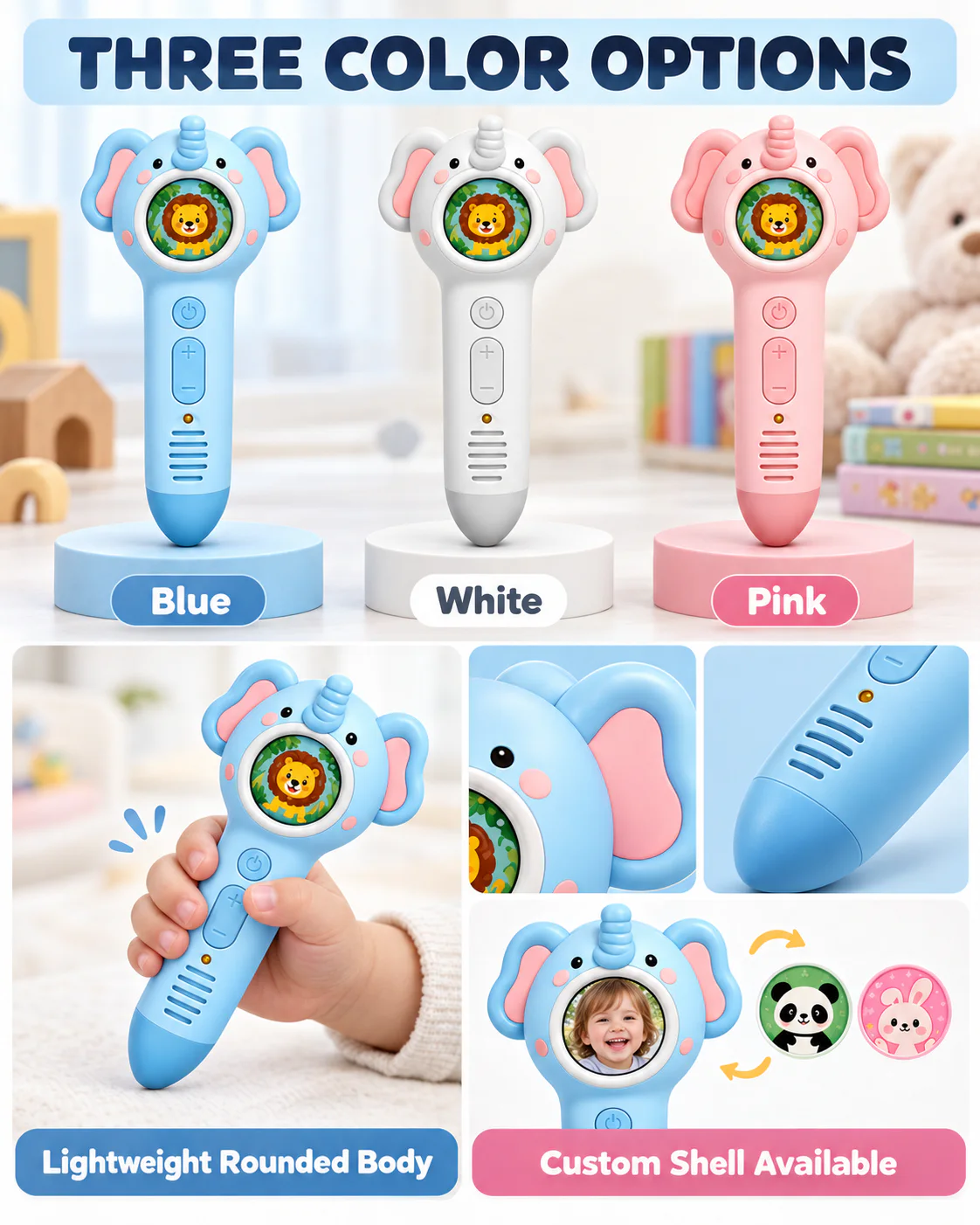
Start with one coherent SKU, prove the market and expand from a documented product and content baseline.
Create a focused product story, retail set and replenishment plan around one platform.
Localize language, packaging and labels while controlling territory-specific SKUs.
Bundle owned books or card content with compatible branded learning hardware.
Develop classroom or home-learning sets with clear instructions and replacement content.
A private-label quotation should explain which changes use existing production resources and which create new setup, tooling or validation work.
Request a scope review| Decision | What we confirm | Why it changes the quotation |
|---|---|---|
| Product baseline | Selected standard model and exact included configuration | Prevents different hardware from being compared as one item. |
| Branding | Logo process, colors, graphics and audio identity | Affects setup, tolerances, samples and material minimums. |
| Content | Languages, recordings, books, cards and rights ownership | Affects file work, memory, print and approval cycles. |
| Packaging | Structure, artwork, labels, barcode and carton marks | Affects development, print MOQ and inspection. |
| Order model | Pilot quantity, reorder forecast, SKU count and delivery terms | Affects purchasing, capacity and repeat-order economics. |
Each stage has a tangible output so product, content and commercial decisions stay connected.
Confirm the user, interaction, product configuration, content ownership, target market and commercial assumptions.
Build a representative product with controlled hardware, programmed behavior, content and packaging references.
Close sample issues and verify factory tests, work instructions, pack-out and released files before volume production.
Control the approved configuration through assembly, functional inspection, packing and shipment review.
Product and production evidence

Product, content and commercial requirements are reviewed against the same project brief.
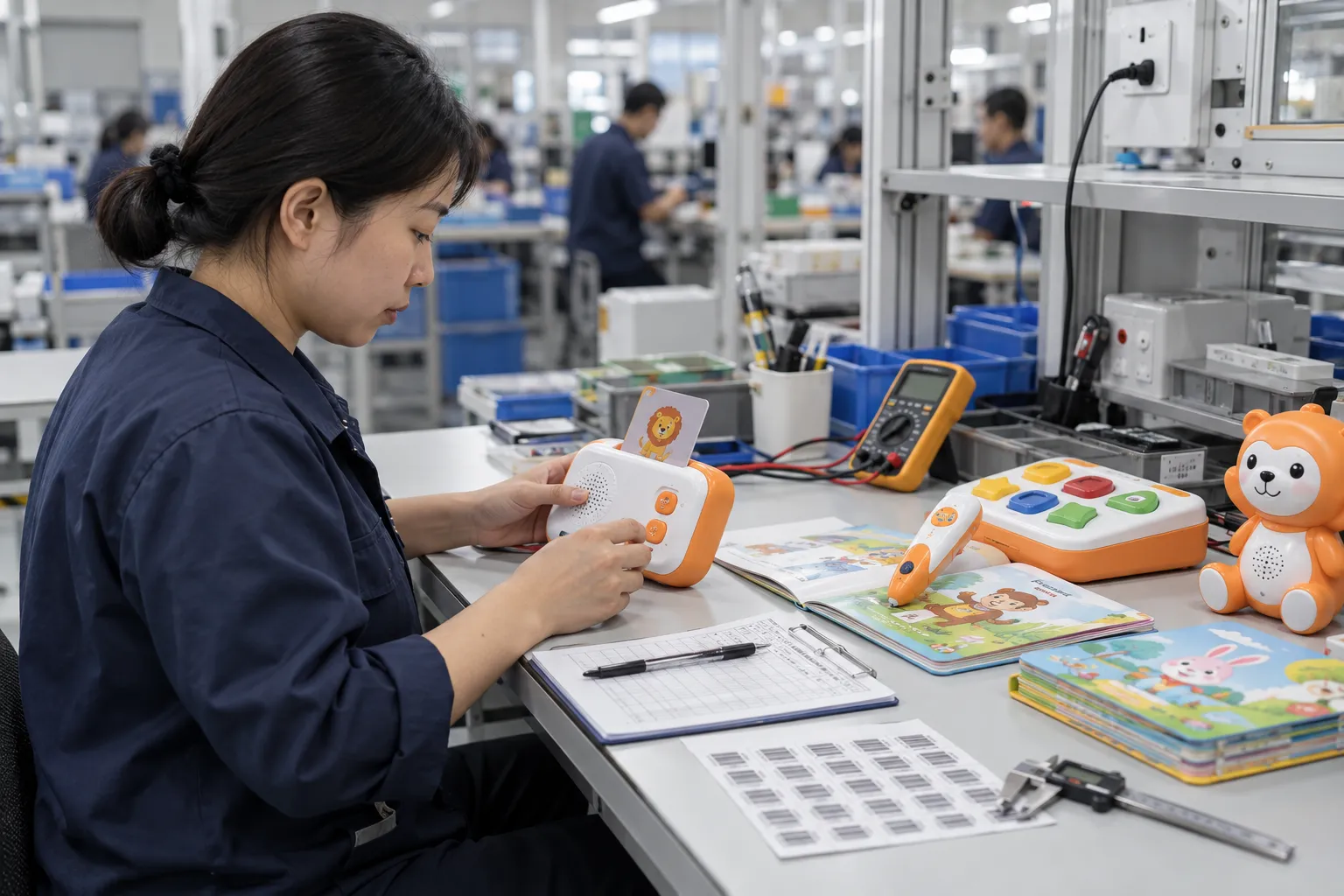
Factory testing links the approved sample with repeatable production checkpoints.
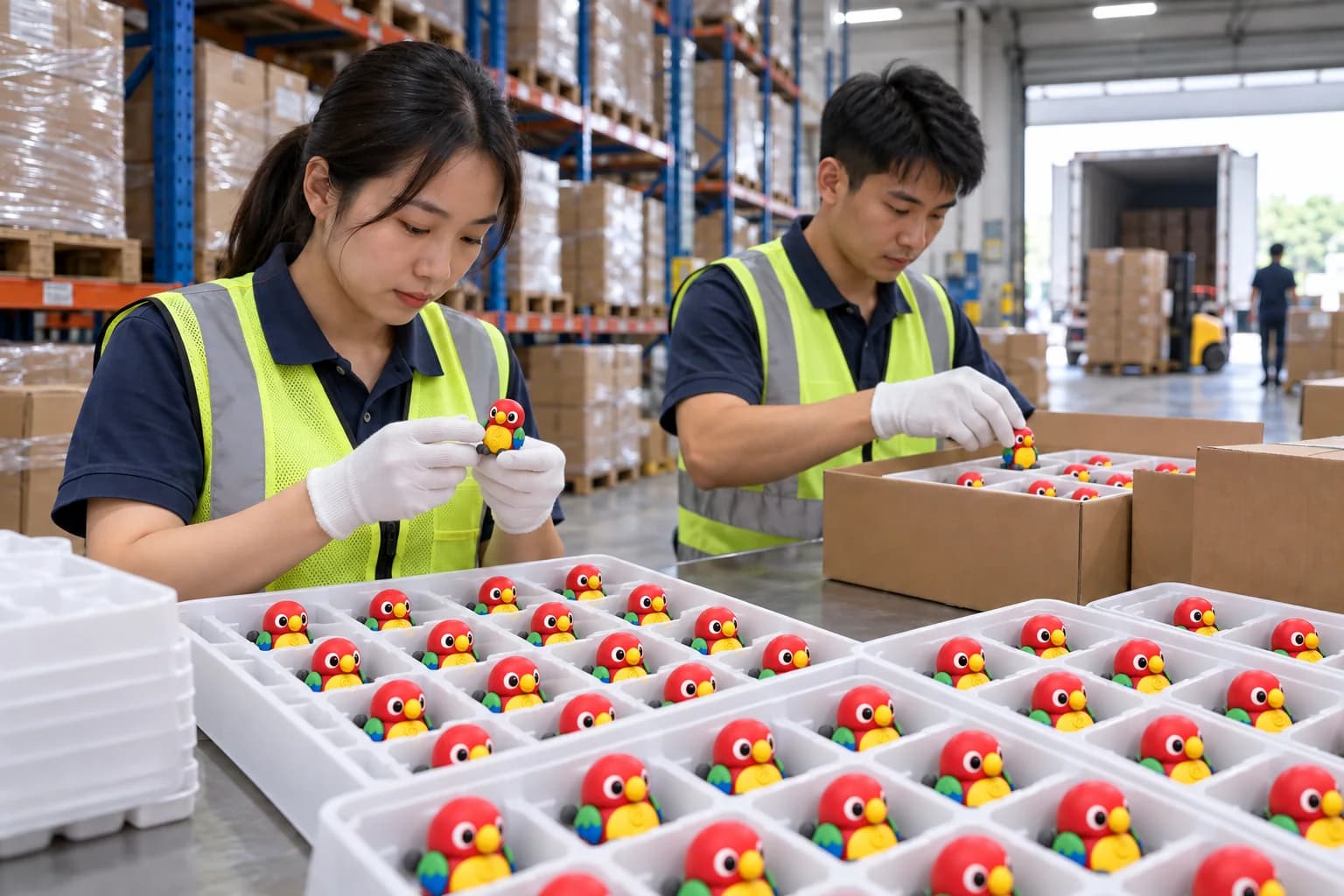
Finished products, accessories, labels and cartons are checked before release.
Focus on the customer, channel and non-negotiable brand details before requesting multiple product variations.
Practical answers for an initial project review. Final commercial and technical terms belong in the written quotation and approved specification.
It is an established or modified learning product manufactured under the buyer's brand, typically with controlled logo, colors, content, instructions, labels and packaging.
Yes. Existing product platforms often provide the lowest-risk starting point. Final options depend on logo method, color minimums, electronics and package scope.
Audio, language, books, cards, stickers and instructions can be planned around the selected platform, memory and content-production responsibilities.
Private label normally adapts an established product, while deeper ODM work may change industrial design, tooling, electronics or firmware. The quotation should identify which route applies.
Keep a released specification, approved sample, artwork and audio versions, component identity, color references and written change-notification requirements.
Send your brand, channel, preferred platform and quantity plan for a focused private-label recommendation.