
Toy Tooling Ownership and Content IP: What to Define in an OEM Project
A practical commercial checklist for molds, product files, firmware, voice content and future supplier or product-family decisions.
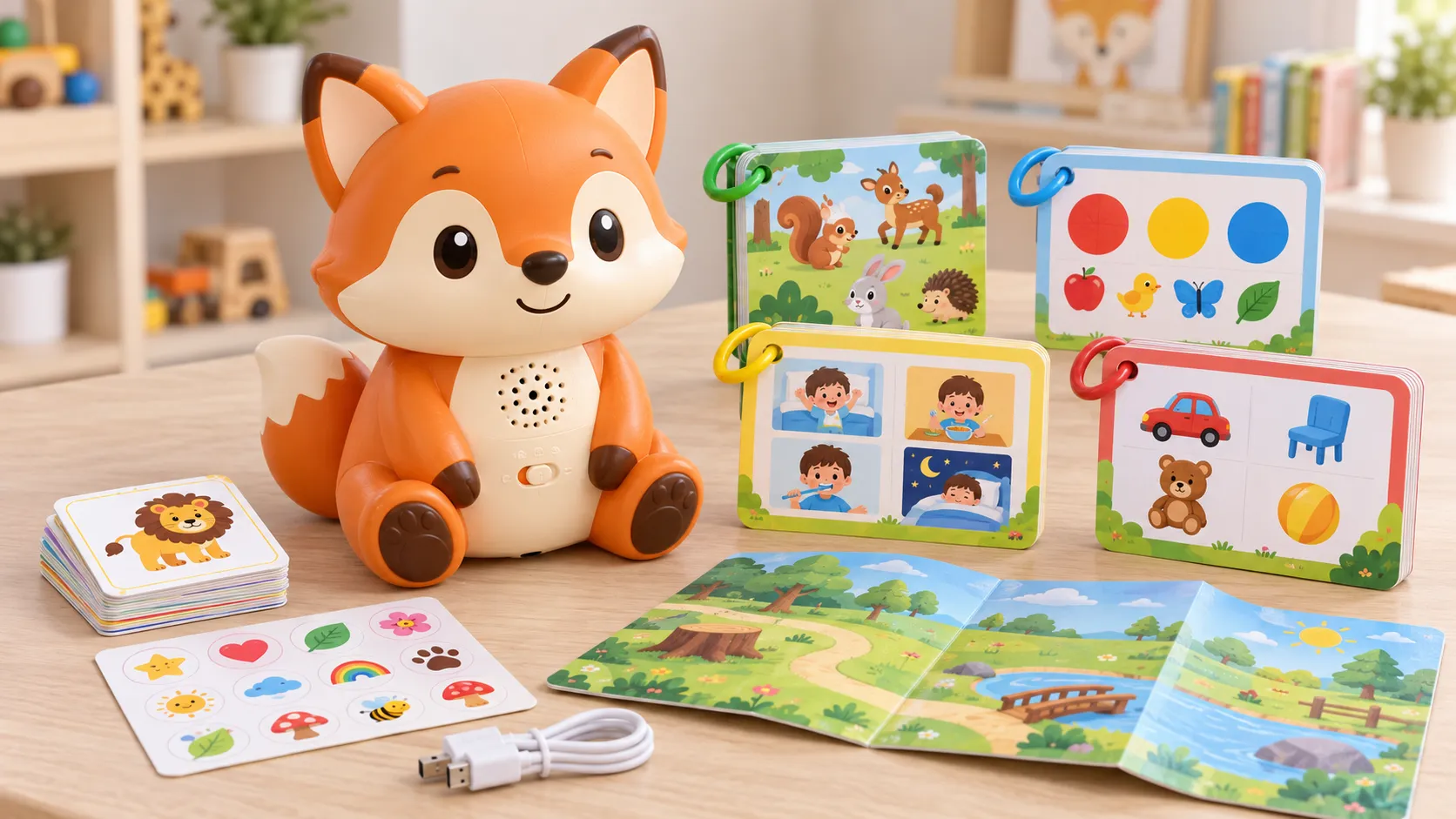
Custom educational toys contain several types of value: molds, industrial design, mechanical drawings, PCB files, firmware, audio, scripts, illustrations, OID maps, card databases, package artwork and test records. Paying for development does not automatically answer who owns each asset, who can use it and what the buyer receives.
Ownership, access and permitted use are related but different. A buyer may legally own a mold while the tool remains stored and maintained by the supplier. A supplier may retain its standard firmware while granting the buyer rights to a custom behavior. The buyer may own recorded voices but depend on a proprietary file-packaging tool. These relationships should be understood before the product becomes difficult to move.
This article offers operational questions for commercial planning, not legal advice. Parties should use qualified counsel and agreements suited to their jurisdictions, intellectual property and business model.
What should a toy tooling and IP agreement define?
A toy tooling and IP agreement should identify every mold and custom asset, legal ownership, permitted products and territories, supplier-use restrictions, confidentiality, source-file access, storage, maintenance, modification approval, subcontractor duties, transfer conditions, infringement responsibility, project termination and the evidence delivered at each payment or development milestone.
Create an asset register before contract language becomes abstract. List housing molds, button molds, jigs, gauges, CAD, drawings, PCB data, firmware branches, audio masters, device files, artwork, code databases, packaging and reports. Mark whether each item is supplier background technology, buyer-provided material, jointly developed work or project-specific output.
The correct arrangement varies. A buyer may not need supplier source code when the product uses a standard platform and future support is secure. A publisher may require strong control of scripts, recordings and coded books because those assets define the product family. Focus negotiations on business continuity and intended use.
Record the practical handover, not only rights. Identify file format, version, documentation, delivery date and any software needed to use the asset. An unusable source file or mold without interface records may have limited transfer value.
1. Separate background technology from project-specific work
Manufacturers bring existing platforms, libraries, firmware, processes and know-how. Buyers bring trademarks, characters, curriculum, artwork and market requirements. New work may modify supplier technology or combine both. The agreement should avoid claiming ownership of unrelated background assets while protecting the custom outputs the buyer funds.
Describe licenses when outright ownership is not the model. A license should address product, territory, duration, exclusivity, transfer, sublicensing and termination as appropriate. The commercial team should understand whether future orders must remain with one platform or supplier.
Keep evidence of buyer-provided assets and permissions. Licensed characters, music, fonts, voices and third-party curriculum may have use restrictions. The factory should receive only the permissions needed for the project and should not assume the buyer's materials are unrestricted.
2. Identify every tool and define its lifecycle
Assign mold numbers and describe the parts, cavities and revision. State who pays, who owns, where the tool is stored, who may use it and whether the supplier can produce spare or promotional units. Place an ownership plate or other identifier where commercially and technically appropriate.
Define maintenance, wear, repair and design changes. Routine upkeep may be built into unit cost, while major damage or buyer-requested modifications require separate approval. Record tool condition and maintenance history so parties can assess remaining use and responsibility.
Address transfer and project termination. Who pays preparation and freight? Which balances must be settled? What records and fixtures accompany the tool? Can it run on another factory's equipment? A transfer clause should be operationally realistic and legally reviewed.
3. Protect scripts, recordings, artwork and content maps
Original educational content may be more valuable than the device. Maintain a source register with titles, creators, languages, approvals and rights. Separate studio masters from processed device files and preserve the mapping between content IDs, print touchpoints and released audio.
Define whether the supplier may reuse generic sound effects, code structures or workflow templates and whether project-specific recordings or artwork are exclusive. Prohibit use of buyer brands and confidential characters outside authorized samples and production. Subcontractors such as studios and printers should be covered through appropriate controls.
Plan return or deletion when the project ends, subject to legal and quality-record retention. Deletion promises should account for backups and required records rather than offering impossible absolutes. The agreement should specify a credible confirmation process.
4. Clarify firmware, tools and future updates
Distinguish standard platform firmware from buyer-funded custom modules, configurations and content. Record the released binary, version history and function specification even when source code remains with the supplier. The buyer needs enough evidence to identify what production units contain.
If source-code access or escrow is commercially important, define scope, documentation, build environment, third-party components, release triggers and support. Possessing code without the toolchain or rights to included libraries may not provide continuity.
Content update tools and encryption keys can create dependency. Confirm who can produce new packages, allocate identifiers, sign releases and support future operating systems. A publisher planning multiple titles should settle this workflow before the first product ships.
5. Use confidentiality as a working process
An NDA is useful, but daily controls matter. Limit project access, label current files, use agreed transfer channels and avoid sharing full source libraries before necessary. Ask how the supplier controls visitor photography, sample storage, subcontractor access and obsolete print.
Define what is confidential, permitted disclosure, duration, compelled disclosure and exclusions with legal counsel. Avoid using confidentiality language to claim public information or prevent legitimate compliance communication. The goal is protection that both parties can follow.
Prototype and trade-show decisions need approval. Agree whether the factory may display the product, publish production photos or list the buyer as a customer. Silence can lead to premature disclosure even when no malicious use is intended.
6. Connect payments to identifiable deliverables
Milestone payments should reference outputs: approved industrial design, released CAD, tool construction, accepted trial, firmware function, content package or delivered records. Avoid paying a broad development fee without knowing which assets and rights it covers.
Maintain a deliverables register with owner, format, revision and status. At production release, ensure the buyer has the agreed files and the factory has only the current manufacturing package. At project close, reconcile physical tooling, digital assets, excess custom materials and retained samples.
Use appropriate legal documents for the transaction. Purchase orders, development agreements, licenses, NDAs and quality agreements serve different purposes. Technical teams should provide accurate asset descriptions so legal terms attach to real items.
| Asset | Question | Useful record |
|---|---|---|
| Mold | Who owns, uses, stores and maintains it? | Tool register, plate, condition and agreement |
| Firmware | What is standard, custom and delivered? | Function spec, version and license terms |
| Audio and artwork | Who owns source and processed assets? | Content register, approvals and permitted use |
| OID or card database | Who allocates IDs and supports expansion? | Mapping export, access and continuity plan |
7. Test the agreement against future scenarios
Ask what happens if the buyer adds a language, creates a new book, changes distributor, pauses orders, sells the brand or needs a second source. The answer reveals whether rights and access support the intended business model.
Consider supplier change without treating it as the default plan. Which tooling and files can transfer, which supplier background technology cannot, and which compliance evidence is usable? A product built on proprietary architecture may reasonably remain tied to that platform; the buyer should know this before investing.
Review the asset register at major changes and reorders. New molds, audio, firmware and package files can appear after the original agreement. Add them deliberately rather than assuming old wording automatically covers every new output.
Create an ownership schedule before development starts
List background and newly created assets separately
Background assets may include the buyer's characters, curriculum and trademarks and the supplier's existing circuit platform, libraries and manufacturing know-how. Project assets may include a new enclosure, mold, firmware branch, recordings, coded artwork, test fixture and packaging design. Naming each asset and its origin avoids a vague statement that all intellectual property belongs to one party when some elements existed earlier.
For each item, state owner, permitted users, territory or customer restrictions, modification rights, possession, delivery format and treatment after termination. If the supplier retains a platform, define the buyer's right to use the custom content and whether another factory could receive necessary interface information. Obtain legal advice appropriate to the jurisdictions and transaction.
Connect payment milestones to usable deliverables
A tooling payment should correspond to design approval, tool completion, trial acceptance and final release as appropriate. Content payments can correspond to script, recording, edited master and mapped package. Define what the buyer receives at each point. A label such as tooling fee does not prove ownership or a right to transfer the mold.
Specify practical formats. Editable artwork, high-resolution audio masters, source mapping tables, compiled firmware and firmware source are different deliverables. If source code is not included, define maintenance, update pricing, escrow or continuity arrangements. Preserve checksums and version history so delivered files can be verified later.
Plan for reorders, transfer and end of life
State how long molds, samples and project files will be stored, who pays maintenance and what notice applies before disposal. Define conditions for moving buyer-owned tooling, including inspection, outstanding payment, transport, export and compatibility information. A transfer may still require adaptation at the receiving factory, so keep drawings and maintenance records current.
Address unused branded components, rejected material, obsolete packaging and digital copies when a project ends. Destruction or return should be documented where commercially important. Also define whether anonymized manufacturing knowledge may be retained. Good exit terms protect both parties and make cooperation more stable during the active program.
Frequently asked questions
Does paying for a toy mold mean the buyer owns it?
Not necessarily in every transaction or jurisdiction. Ownership and control should be stated in a written agreement that identifies the tool and addresses use, storage, maintenance and transfer.
Should a buyer demand all firmware source code?
It depends on the platform, investment and continuity needs. At minimum, document function, released version and rights. Source access must include the practical build environment and third-party rights to be useful.
Can a factory reuse custom audio or artwork?
Permitted use should be defined. Buyer-owned or licensed project content should normally be limited to authorized development and production, with appropriate subcontractor controls.
What should happen to files after a project ends?
The agreement may require return, deletion or limited retention for legal and quality records. Define a realistic process that includes backups and required records.
Is an NDA enough to protect a custom toy?
No. Use appropriate IP, tooling, development and licensing terms plus practical access, sample and subcontractor controls. An NDA addresses only part of the relationship.
How can buyers support future content expansion?
Preserve stable content IDs, source files, maps, released firmware information and a documented process for new audio packages and printed materials.
Conclusion
Tooling and content ownership should be designed with the product, not negotiated only after samples succeed. An asset register turns vague intellectual-property language into identifiable molds, files, rights and handover obligations.
Use legal advice for the final agreement and connect commercial terms to practical engineering records. Clear ownership, access and permitted use protect both parties and make future titles, reorders and business changes easier to manage.
Authoritative references
Requirements change and differ by product. Use the current official source and qualified professional advice for the final project.